BLOG
The Value of Human Touch: In the age of A.I, Hermès’s Website Goes Hand Drawn
The Value of Human Touch: In the age of A.I, Hermès’s Website Goes Hand Drawn
Hermès Paris has always stayed true to its roots of handcrafted goods since its founding in 1837. Craft stays an emphasis for the brand into the modern day. Entering 2026, this is emphasized with Hermès’s revamped website, which now showcases hand drawn artwork as an alternative to the usual luxury product lineup.A Different Kind of Luxury Website
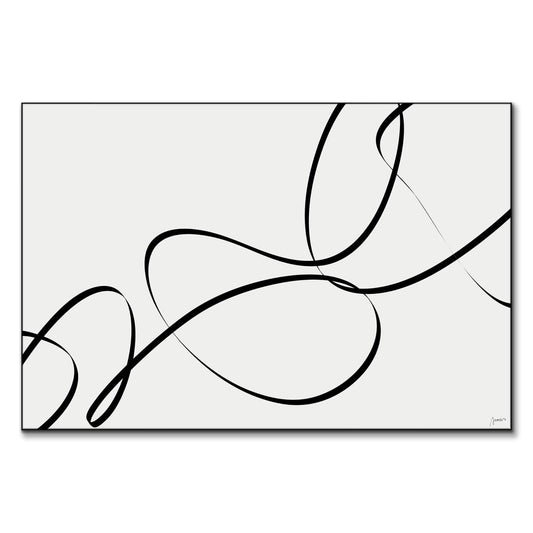
Rather than relying solely on high gloss photography and tightly optimized layouts, the new website introduces illustration as a central visual language. Hand drawn elements by French artist Linda Merad appear throughout the experience, integrated into navigation, transitions, and editorial moments. The site feels less like a traditional ecommerce platform and more like a space designed to be explored, where visual storytelling takes priority over efficiency.This approach immediately sets Hermès apart from much of the luxury digital landscape, where websites often feel interchangeable regardless of brand heritage. Instead of presenting products in isolation, the illustrations create atmosphere and context, reinforcing the idea that the brand is as much about process and artistry as it is about the finished object.

Drawing as a Foundation, Not a Trend
For Hermès, drawing is not a decorative choice. It has long been a foundational part of how the brand designs and develops its products. Many of its objects begin as sketches, shaped and refined through the hands of artisans before becoming physical goods. By bringing illustration into the digital experience, the brand creates a clear throughline between how its products are imagined and how they are presented.This has been a constant for Hermès throughout its history. In the 1970’s the brand experienced a slow period compared to its luxury competitors due to their commitment to natural materials from the earth. Hermès’s commitment paid off once public opinion shifted back away from artificial materials and the brand has stuck to their values since.
This rich history is woven throughout the new art direction. The drawings do not feel added for novelty. They feel intrinsic to the brand’s identity. They remind visitors that behind every object are not only quality materials, but a human hand, a decision, and a process that values time and skill.
The Human Touch in an Automated Era
The timing of the redesign is significant. As artificial intelligence continues to reshape creative industries, flawless imagery has become increasingly easy to generate. Precision, polish, and scale are now readily available to anyone with the right tools. In that environment, perfection no longer feels rare. In a world where competitors like Balenciaga are leaning into A.I and use it to generate almost all of their online content, Hermès pushes their messaging back to the human element.Hand drawn visuals offer something different. They introduce imperfection, movement, and individuality. A line that is slightly uneven or expressive signals presence. It shows that someone made a choice, took time, and left a trace. In a digital space increasingly defined by automation, those qualities carry weight.

What the Redesign Signals
Ultimately, the move to hand drawn artwork is not about rejecting technology. It is about defining its role. Hermès is using digital space to reinforce values that have guided the brand for nearly two centuries. Craft, intention, and human involvement remain central, even as the medium evolves.In an age where so much is generated, automated, and optimized, the choice to foreground the human touch feels deliberate. It suggests that true luxury is not found in speed or perfection, but in care, authorship, and the visible presence of the hand. Not only that, but the decision to bring that very presence to the internet on the forefront of their website bridges the gap, and serves as a subtle reminder that the human touch can still be communicated even in the digital age.