The Home Decor Industry Has Been Lying to You About Wall Art
The Home Decor Industry Is a Lie
Here is the controversial truth nobody in the home decor industry wants to admit. Tiny mass-produced prints are not real art. They never have been. They are decor filler. They are the equivalent of putting garnish on a plate and calling it a meal. They keep your walls polite, predictable, and painfully forgettable.
For years, stores have convinced people that a 12 by 16 print is enough to transform a room. It is not. It never was. The only reason tiny art became the default was because it was cheap to produce, cheap to ship, and profitable for big retail chains. You were never supposed to question the size. They built an entire business model around people accepting “okay” art instead of demanding pieces that actually make a statement.
It is not an accident that every furniture store display looks the same. Beige sofa. Neutral rug. Small framed print above the couch that looks like it was designed to not offend anyone. It is decor designed to blend in so well that you forget it exists. There is nothing original about it. Nothing personal. Nothing with any soul.
Small Art Is a Scam
Yes, I said it.
Small art is one of the biggest scams in home decor. It tricks people into thinking their walls are “done” even when the room feels unfinished and empty. It is the single biggest reason most homes look like they are halfway decorated.
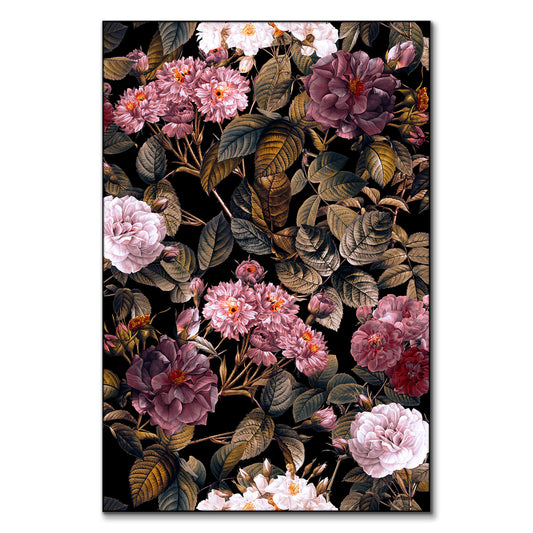
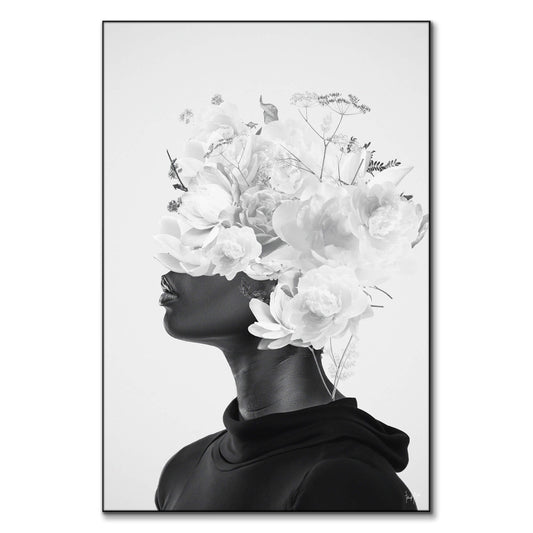
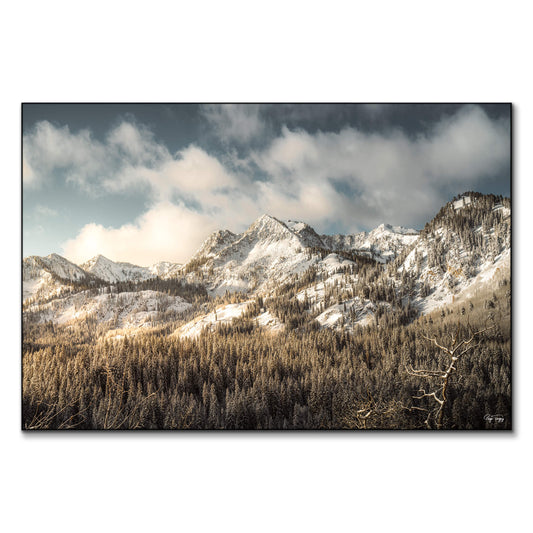
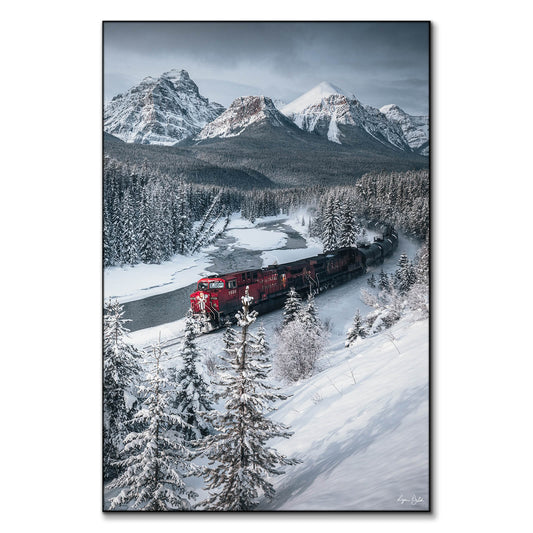
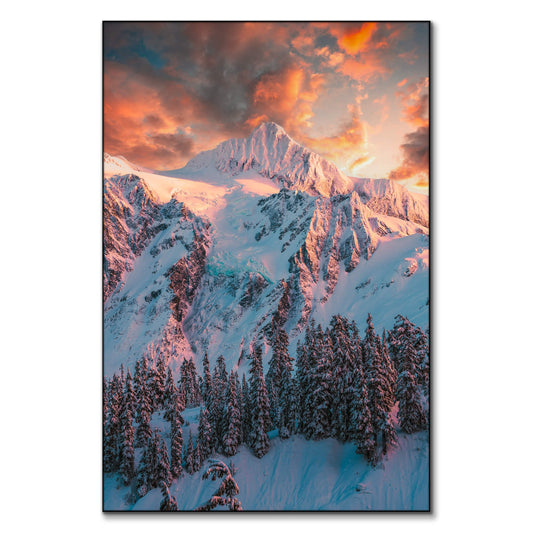
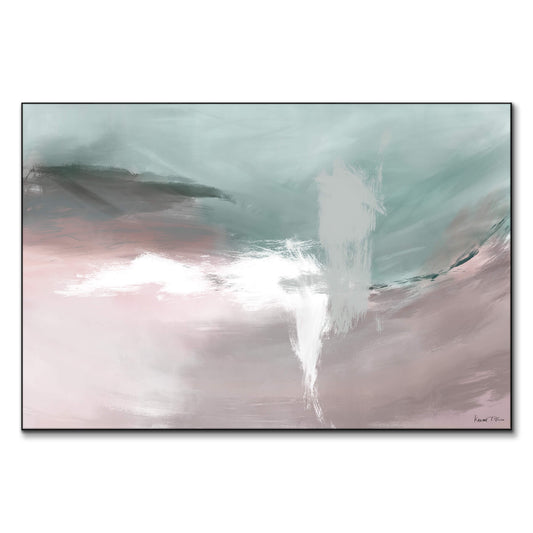
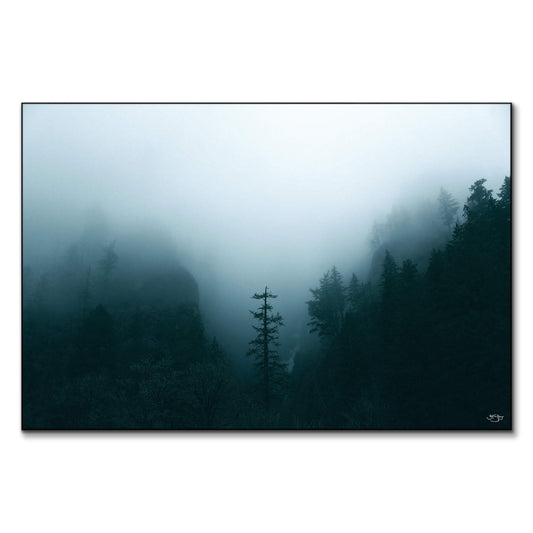
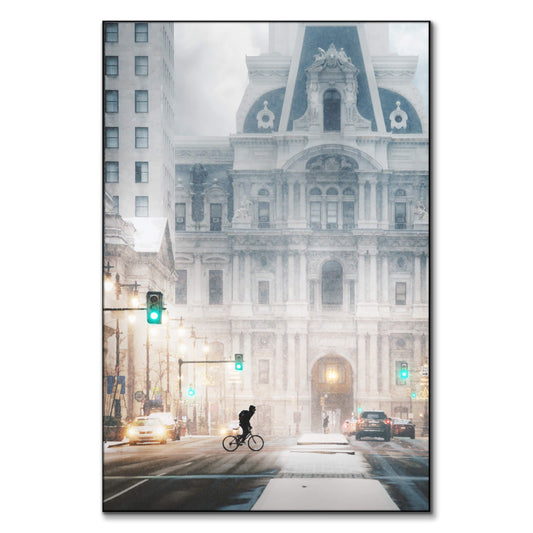
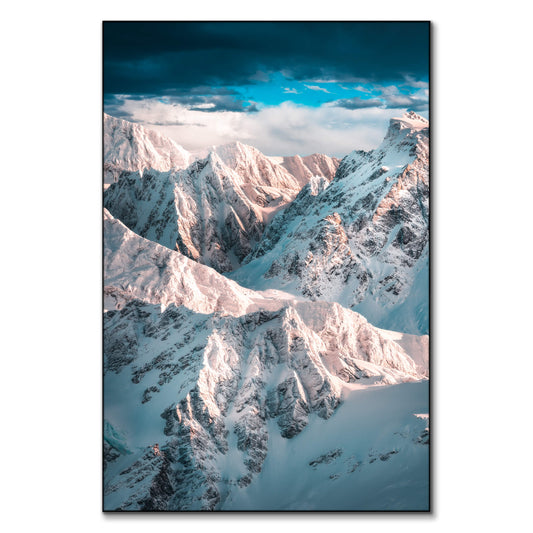
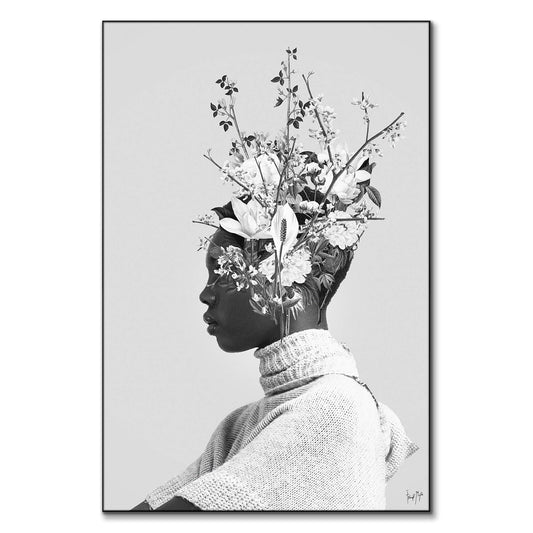
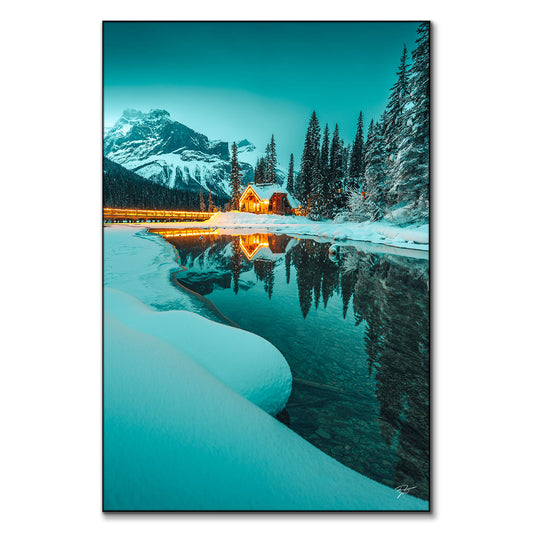
Here is what interior designers know that the average shopper does not. Scale is everything. A piece of oversized wall art instantly fixes what small art never will. It adds structure, confidence, and presence. It makes the room feel designed instead of accidental.
The industry sells tiny prints because they are easy. Large art takes skill. It takes commitment. It takes a point of view. And most retail brands do not have one.
Minimalist Wall Art Trend? Another Marketing Trick
Minimalism in wall art has become an aesthetic shield for bad design. Retail brands push tiny, empty, beige prints and call it minimal. In reality, it is just easy to produce and easy to copy. It is the design equivalent of serving someone plain oatmeal and calling it “elevated simplicity.”
Minimalism is not the problem.
Minimal effort is the problem.
Most minimalist art sold today is not art. It is graphic noise packaged as sophistication. The only reason people buy it is because they are told it is “timeless.” Translation. It is generic enough to never stand out.
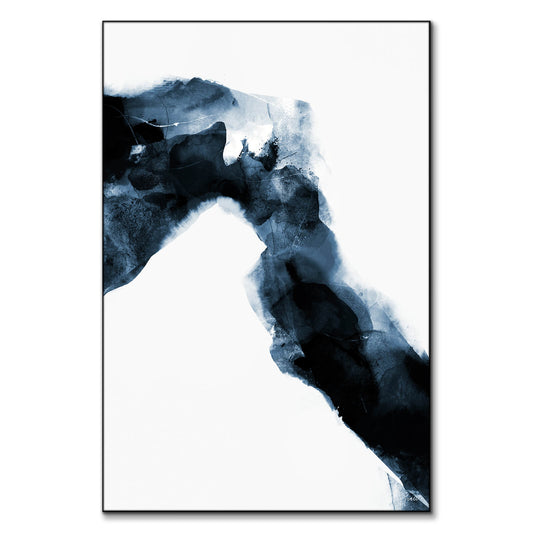
Real minimalism can be powerful when it is large, deliberate, and bold. But that part never gets advertised because it is harder to mass produce at a low cost.

Your Personality Deserves More Than a Mass-Produced Print
Here is where things get uncomfortable.
The vast majority of wall art people hang is not chosen because they love it. It is chosen because it is available, cheap, and fits inside a standard mailer.
That is the actual reason small art is everywhere. Convenience. Not creativity.
Your walls deserve more than something that exists because it was easy for a factory to print. Real art has a voice. Real art has a point of view. Real art reveals something about you. The industry trained people to buy “safe” art so they never had to challenge their own taste.
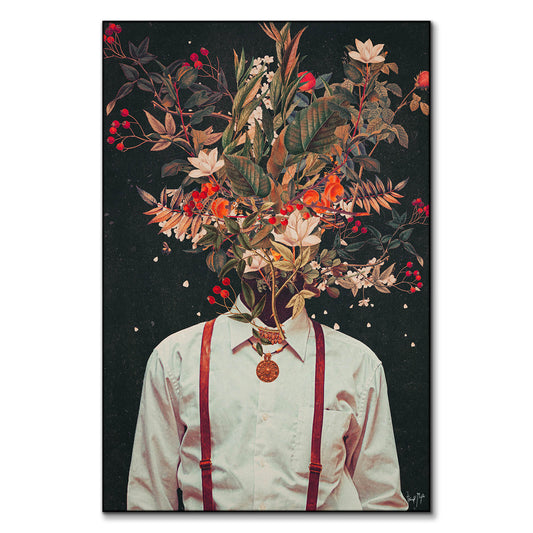
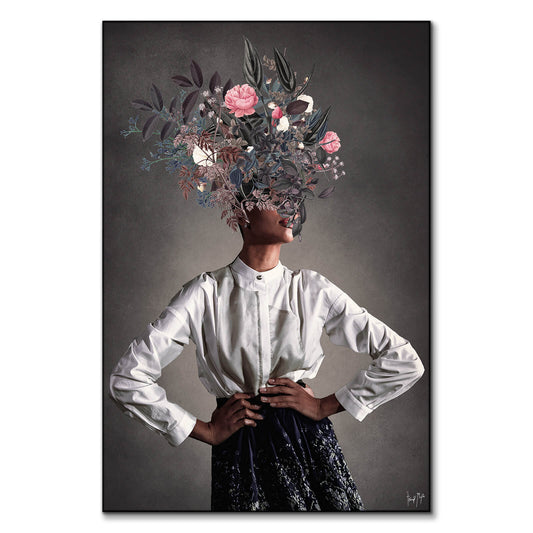
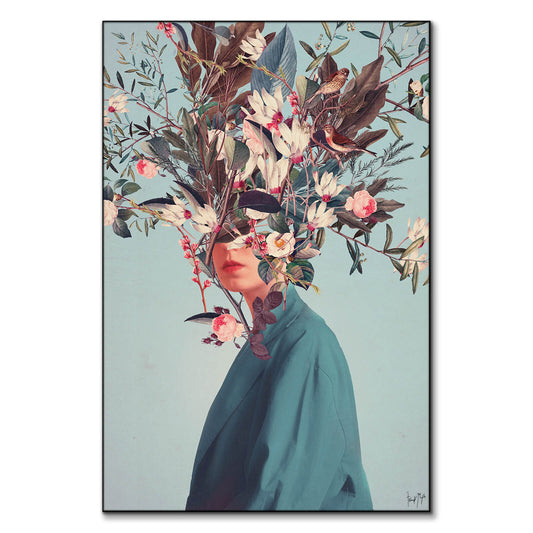
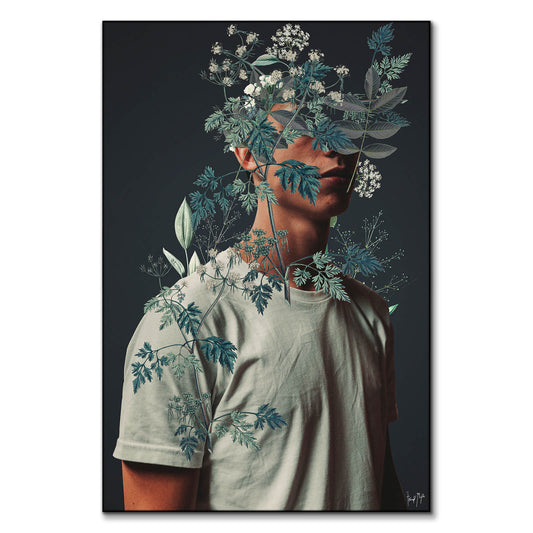
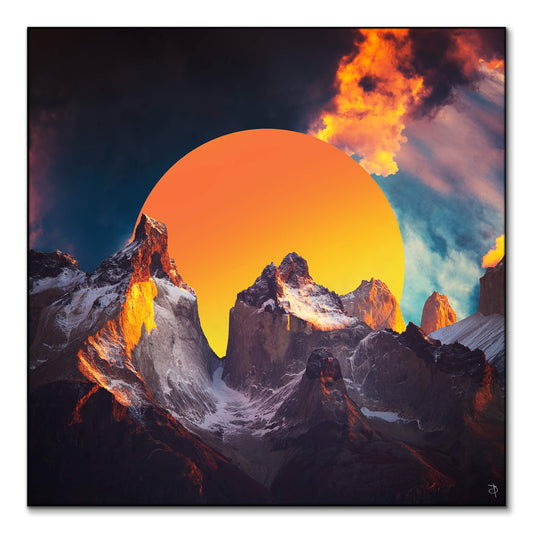
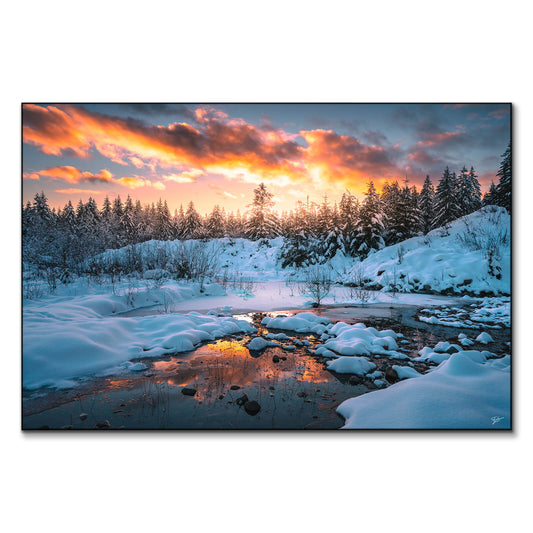
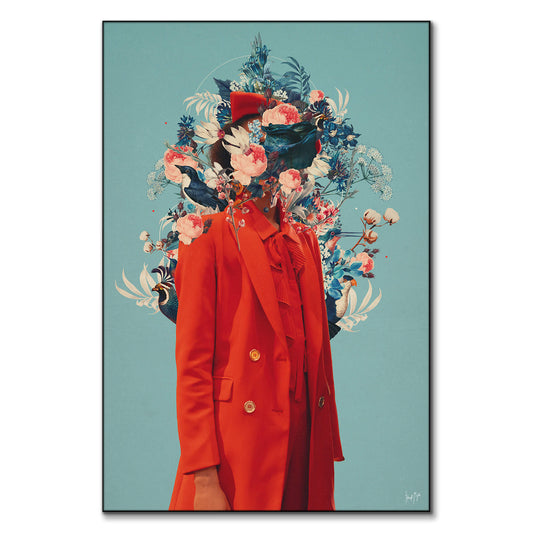
Oversized art forces a real choice. It makes a statement. It takes up space. It demands attention. It requires the room to meet it with equal confidence. That is why it feels rebellious. That is why it works.
People Are Afraid of Big Art Because It Exposes Their Taste
Here is the most controversial part.
People avoid large art because they are terrified of picking something wrong. Small art lets you hide. Big art exposes you.
Large art shows your taste instantly. It shows your personality instantly. It shows whether you actually know what you like or if you have just been following safe Pinterest boards for five years.
But here is the twist.
Your taste does not need to impress anyone. It just needs to be real. Big art makes that possible because it forces you to choose something you actually connect with. That is a good thing. That is how homes get character.

The Home Decor Industry Will Hate This, but Here Is the Reality
The future of home decor is not about having more things. It is about having fewer things that matter. One oversized print does more for a room than a dozen tiny frames ever could. It is cleaner. It is bolder. It is more honest. And it is harder for mass retailers to copy.
This is why large-scale artwork is taking over interior design. People are waking up. They want meaning, not filler. They want rooms with personality, not rooms that look like every other AirBnB in the country.
Big art changes the room.
But more importantly, it changes the person living in it.