Wallpaper TVs Are Changing the Way We Use Wall Decor
When Screens Are Designed to Live on the Wall
Most TVs are still treated like furniture. They hang off the wall, sit on a console, or require a whole setup built around them. Even when mounted, they usually project outward, cast shadows, and bring cables and hardware into the room. The result is a wall that feels interrupted rather than finished.
LG’s Wallpaper TV was designed to solve that exact problem. The screen mounts completely flush to the wall and connects wirelessly to external components, removing the need for visible cables or bulky housings. Once installed, it behaves more like a surface than a device. When it’s off, it doesn’t dominate the room. When it’s on, it feels intentional rather than intrusive.
That design choice is what makes it relevant to wall décor, not just home entertainment.
A Screen That Acts Like Décor, Not Equipment
Traditional wall décor is physical and fixed. A painting, print, or photograph is chosen carefully because it’s expected to stay in place for a long time. That commitment often leads people to play it safe or leave walls bare altogether.
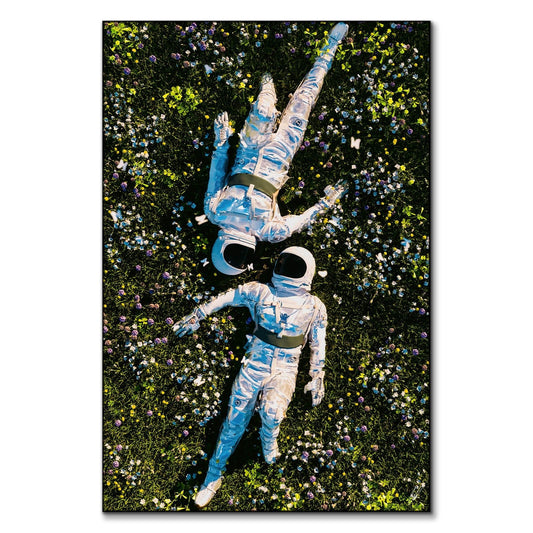
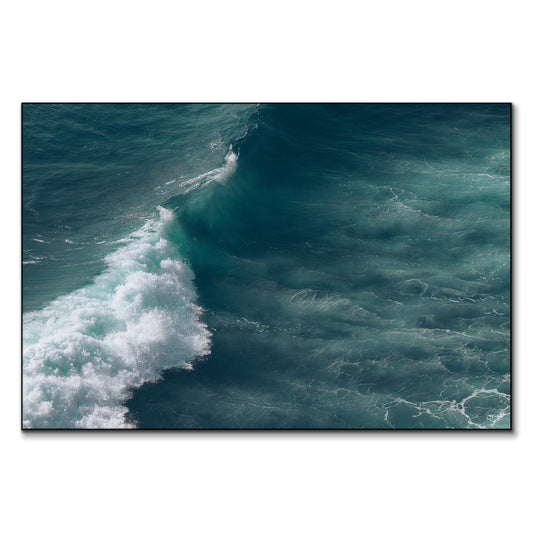
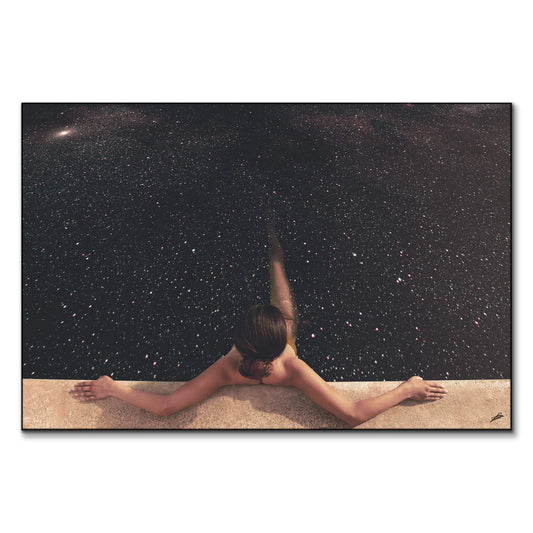
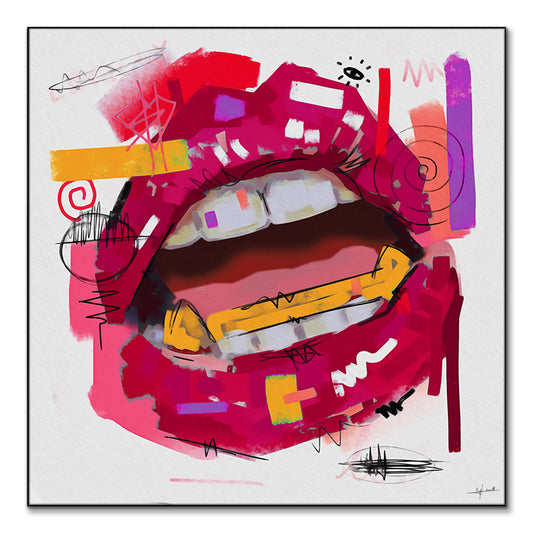
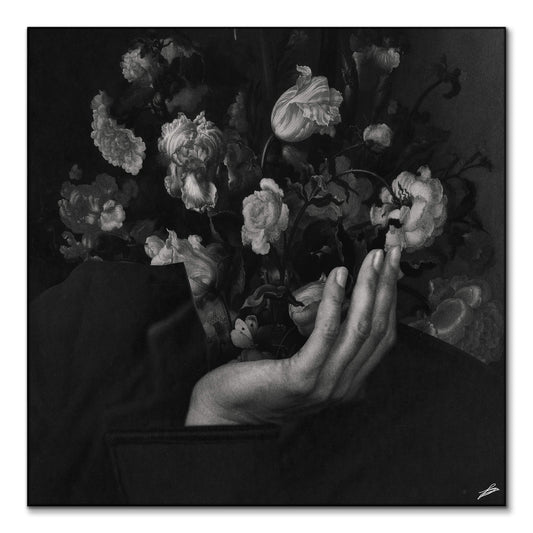
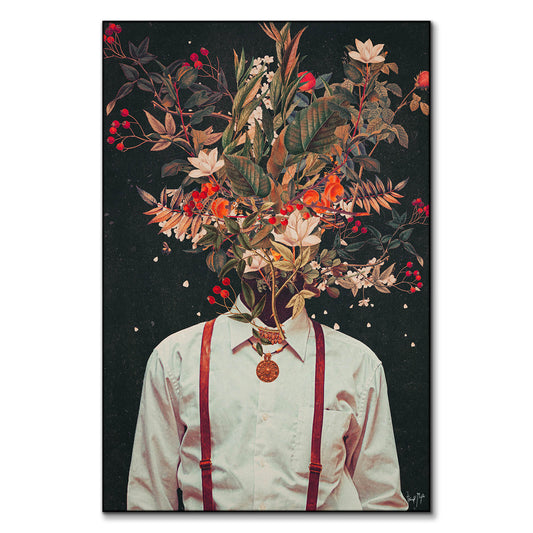
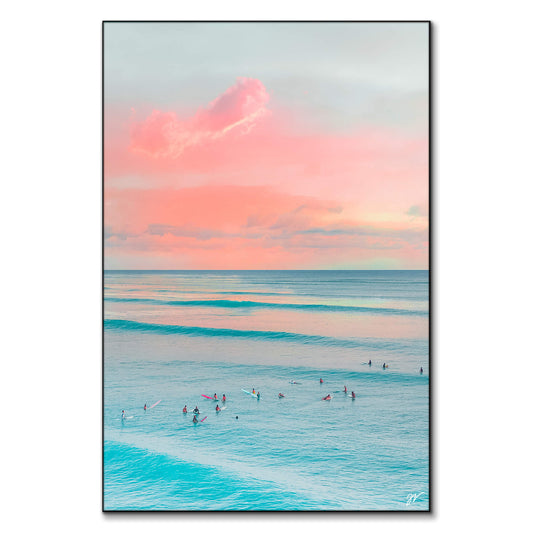
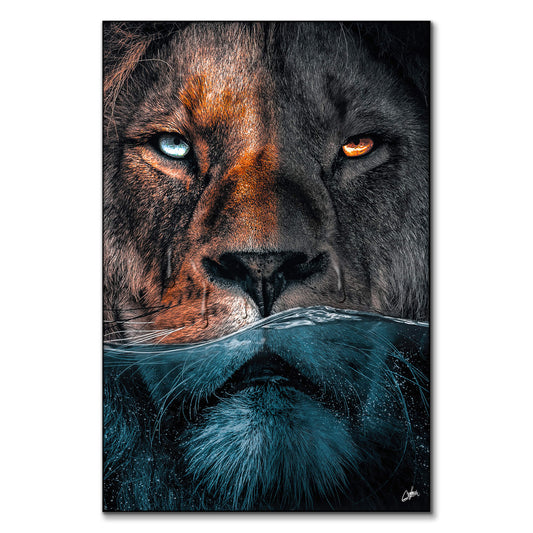
A wallpaper-style screen changes that relationship. Because it sits flat and blends into the wall, it can function as rotating décor without being swapped out. Art, photography, ambient visuals, or even a clean neutral display can live on the same surface depending on the moment. The wall becomes adaptable instead of locked into one decision.
This kind of flexibility mirrors how people actually live. Rooms shift throughout the day, and wall décor can now shift with them.
Cleaner Walls, Calmer Rooms
One of the biggest impacts of ultra-thin, wire-free screens is visual. Without cables, shadows, or depth, walls feel cleaner. That cleanliness gives more room for furniture, lighting, and physical artwork to exist without competing for attention.
In smaller spaces especially, this matters. When walls aren’t visually crowded, rooms feel larger and more intentional. The TV becomes part of the wall instead of something attached to it. That allows the rest of the décor to feel more balanced and less reactive.
Instead of designing a room around a screen, the screen supports the room.

What This Signals for the Future of Wall Décor
Screens like LG’s Wallpaper TV point toward a future where walls are no longer limited to static objects. Decoration doesn’t have to be permanent to feel thoughtful, and technology doesn’t have to feel separate from design.
This doesn’t replace physical art or statement wall pieces. It expands the options. Walls can hold texture and permanence through traditional décor, while also offering flexibility through digital surfaces. Together, they create spaces that feel personal, adaptable, and lived in.
As screens continue to flatten and integrate, wall décor will no longer be just what you hang. It will be what your walls are capable of becoming.