BLOG
Inside a Designer’s Perspective on Modern Interior Design with Sara Parker
Where Interior Design Is Headed in 2026, According to a Pro Designer
We talked to pro designer and influencer Sara Parker about her thoughts on the biggest design trends going into the new year and how people looking to stay timelessly on trend can do so in an era of social media where trends can shift at a moment’s notice. Sara Parker (@saraparkerdesign on Instagram and TikTok) is a professional designer who started sharing her passion for interior design on social media less than a year ago and has already grown her following to 130 thousand followers across both platforms.
Personal Taste, Professional Design, and the Pull Toward Timelessness
When asked about her own personal design taste and the aesthetic she tries to bring into her own home, Sara shared that things seem to be ever changing and can be slightly different at any point in time. However, she said that she tends to be drawn toward “neo-classical heritage traditionalism”, which is an aesthetic based on classic and traditional design but tailored toward the modern home. Instead of recreation, the aesthetic borrows ideas, compositions, materials, textures, and upcycled or antique pieces from traditional design and puts them together in a way that feels both contemporary and timeless.The core idea of this aesthetic is extremely relevant in 2025 where sustainability has a public emphasis. Upcycling and thrifting are now mainstream hobbies, and homeowners and renters alike are turning to antiques and vintage finds as an alternative to the “Target Haul” — as Sara puts it. When growing prices on new furniture and decor are paired with a decline in quality as well as overall public trust, it makes much more sense to hunt down those secondhand pieces than to buy something new.
Color Of The Year, Internet Discourse, and Designer Pushback
As with any art form, design has its trends and topics that come and go. However, some seem to spark more discourse between fans and skeptics than others. One of these controversial topics is the announcement of “Cloud Dancer” as Pantone’s 2026 Color of the Year. The discourse around the color technically listed as “Pantone 11-4201” stems from the fact that in a year that seems to be heading towards all things maximalism and dopamine-maxxing, Pantone dubbed a shade of clean white as its color of the year.As one could imagine, the internet at large took turns poking fun at Pantone for this choice. From videos dramatizing the color’s reveal for comedic effect to a comment on Pantone's official post on X that reads, “My disappointment is immeasurable, and my day is ruined,” the internet has been vocal about its confusion and, in some cases, frustration. Overall, much of the public sentiment aligns with Sara’s own reaction, with many people ready to “riot against” Pantone’s choice in favor of something bolder, warmer, or more expressive.

Gallery Walls: Where Things Go Wrong (And How They Go Right)
Gallery walls are another area where intention makes all the difference. When done poorly, they can quickly veer into cluttered, mismatched, or even junky territory. They become collections of small frames with no clear scale, rhythm, or visual anchor. Without cohesion, gallery walls can feel more like visual noise than a curated design choice.That said, when executed thoughtfully, gallery walls can still be incredibly impactful. Sara emphasized that scale is key, along with unexpected elements that break up predictability. Mixing oversized pieces with smaller works, incorporating unconventional art or objects, and resisting the urge to fill every inch of wall space can elevate a gallery wall from generic to compelling. The goal isn’t to show everything you own, but to create a composition that feels deliberate and balanced.
Oversized Art, Visual Weight, and Creating a Scene
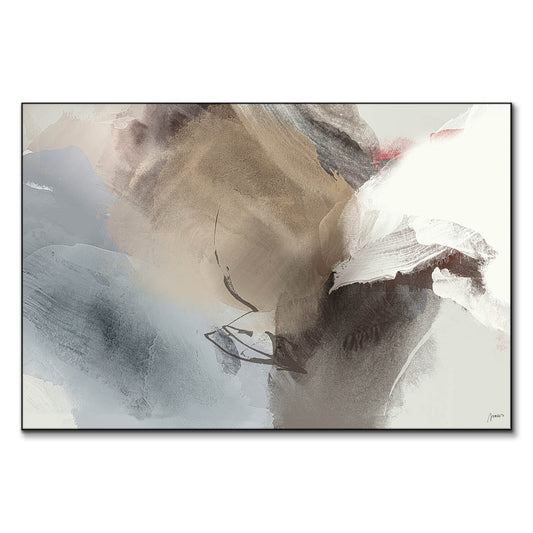
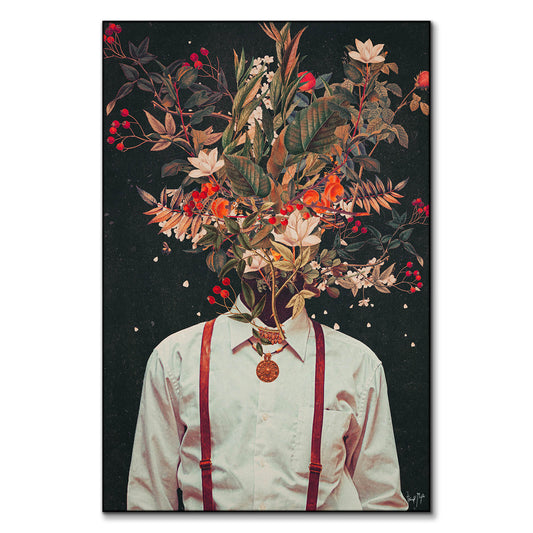
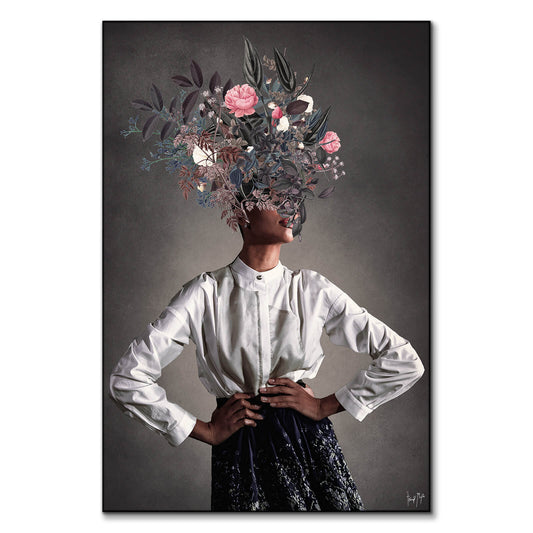
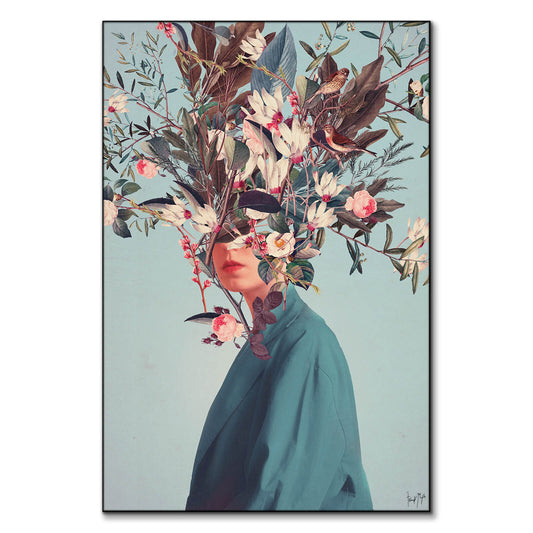
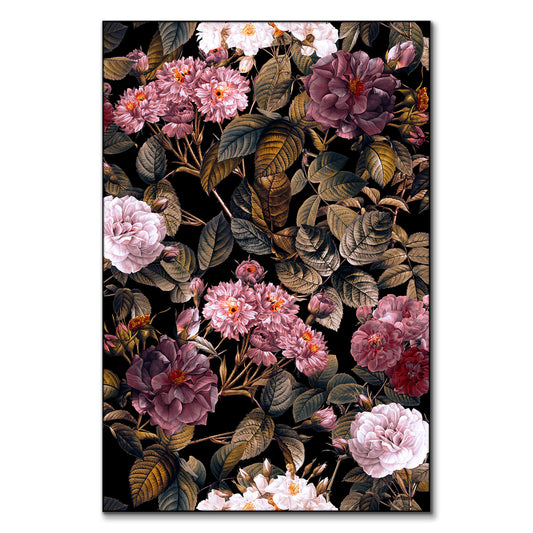
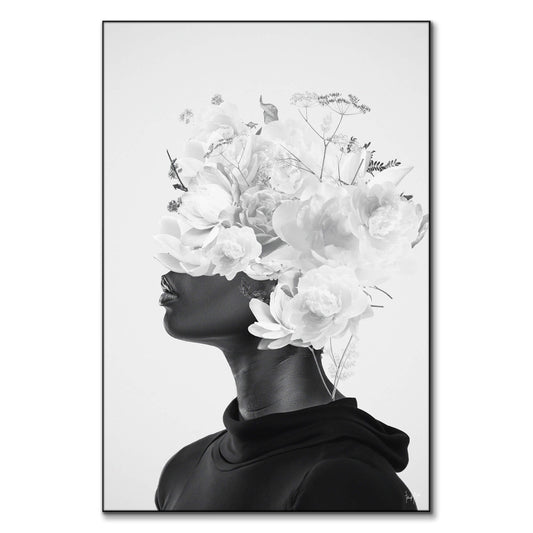
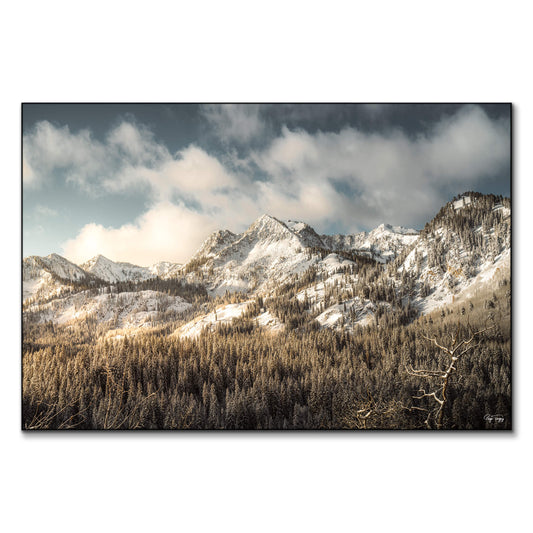
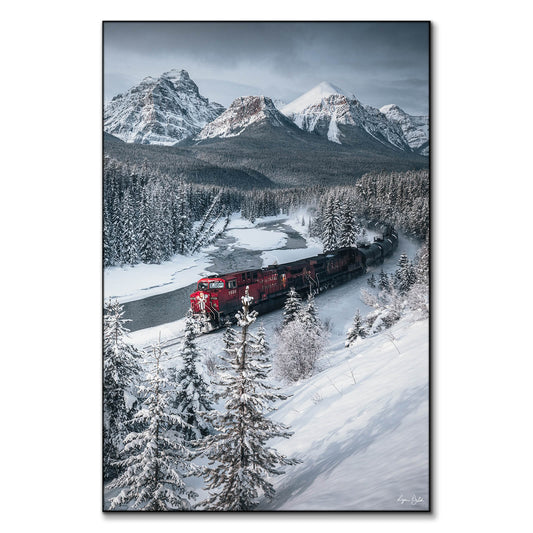
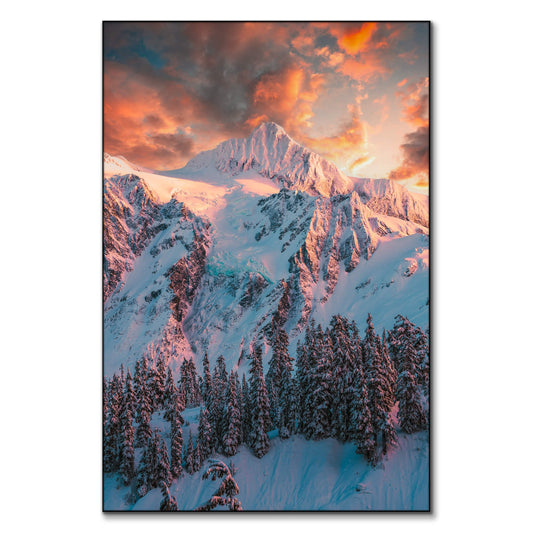
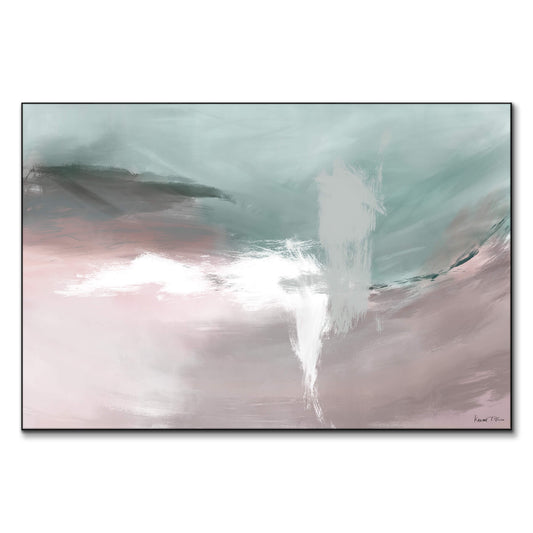
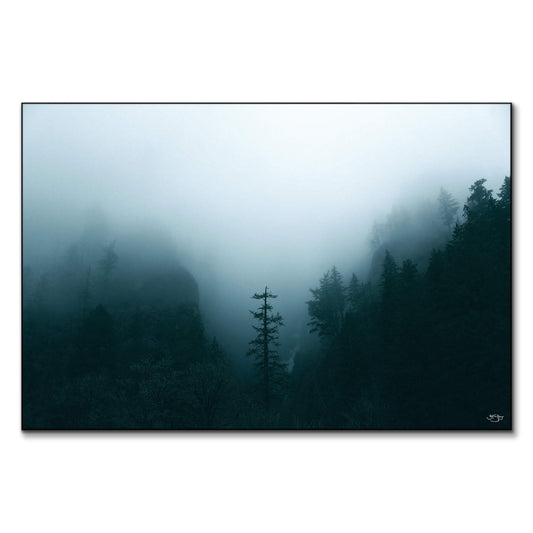
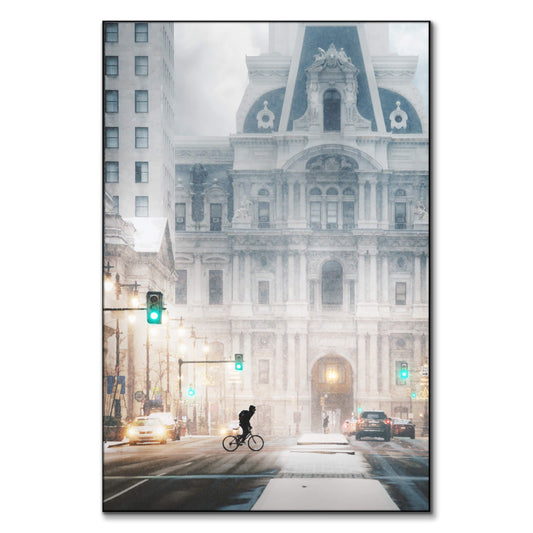
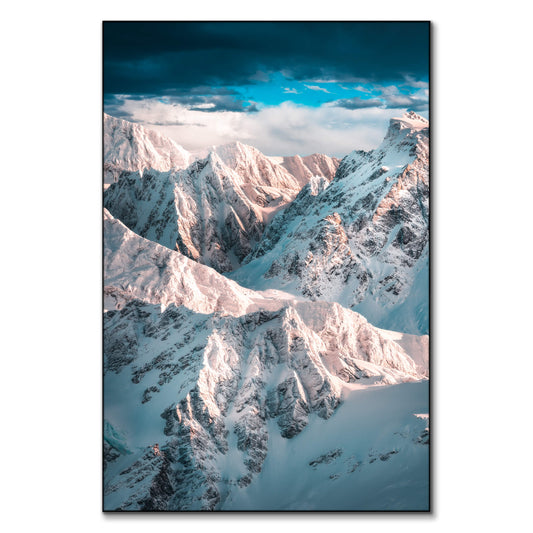
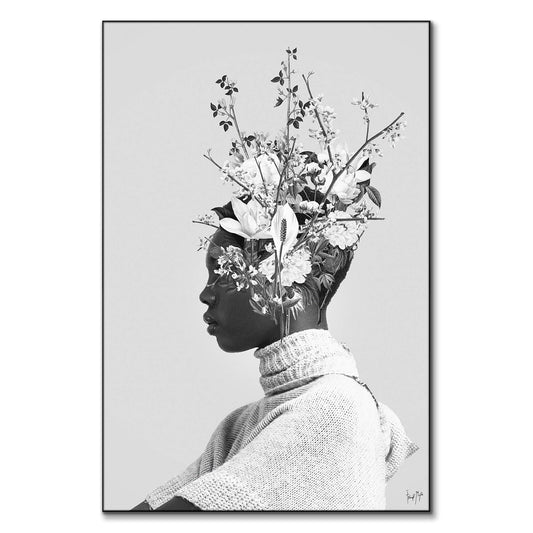
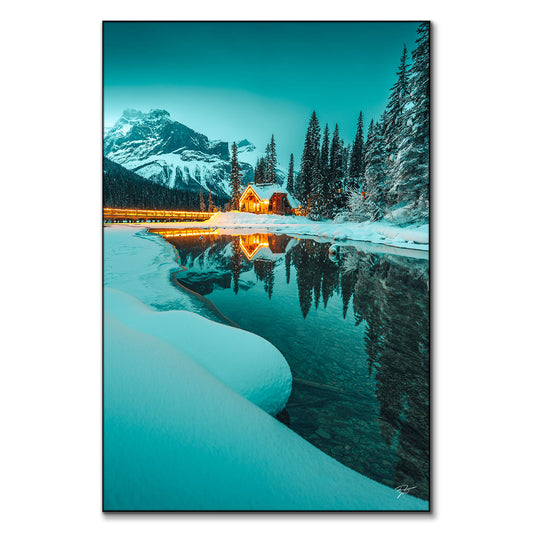
Oversized artwork, according to Sara, is often misunderstood. Many people assume large art must stand alone on a big empty wall, but that’s rarely how designers approach it. Instead of simply hanging a large piece and calling it finished, professionals think about how that artwork interacts with the surrounding elements.Flanking oversized art with furniture, layering it with lighting, or grounding it with low-profile pieces below helps create a scene rather than a floating focal point. The artwork becomes part of a larger moment within the room, not just something placed to fill space. When styled correctly, large-scale art can actually make a room feel more cohesive and intentional, anchoring the space rather than overwhelming it.

The Bigger Picture Behind Every Trend
At the heart of Sara Parker’s perspective is a reminder that trends are only useful when they serve intention. Whether it’s rethinking the dominance of neutrals, leaning into texture and traditional references, or being more deliberate about how wall art is styled, the common thread is confidence over conformity. Design doesn’t have to chase every new headline to feel current, it just needs to feel considered.For a deeper look at Sara’s thoughts on where interior design is headed in 2026, including more nuance around color, sustainability, gallery walls, and oversized art, you can watch the full interview on our YouTube channel here.