The Japandi Wall Art Hack Designers Swear By
What Is Japandi Style?
Japandi is what happens when Japanese minimalism and Scandinavian coziness join forces. The result is a clean, calm, and purposeful interior style that has been trending since 2020 and is still going strong in 2025. It’s all about balance, pairing function with beauty, restraint with warmth, and simplicity with soul.
The palette is neutral and earthy: think sand, stone, charcoal, clay, sage, and warm white. The furniture is simple but intentional. The vibe is quiet, slow, and deeply considered.
Why Japandi Interior Design Still Works in 2025
In a world that keeps getting louder, Japandi offers a soft reset. It’s not just about how your home looks. It’s about how it makes you feel. This style has staying power because it creates an atmosphere of calm without feeling cold or boring. And in 2025, that’s exactly what a lot of people are craving.
Even as maximalism makes a comeback, Japandi holds its ground by evolving. Designers are bringing in more curved furniture, raw textures, and organic elements that add depth without cluttering the space.
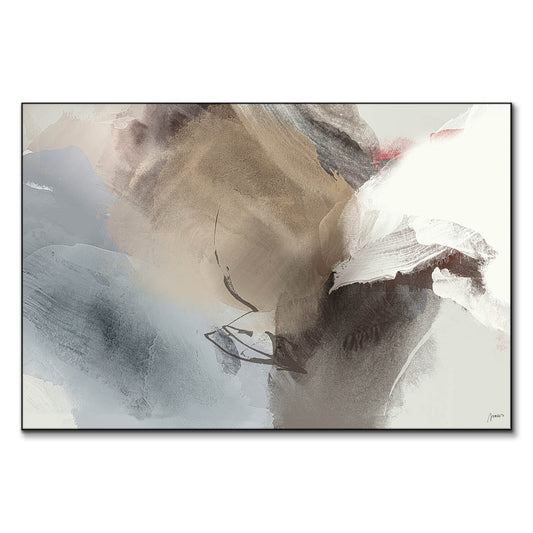
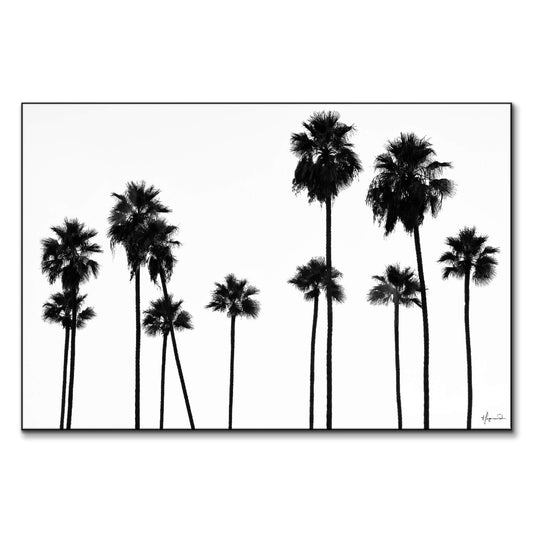
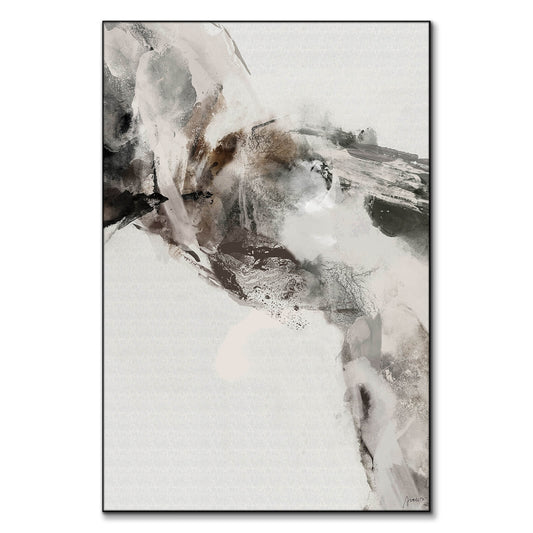
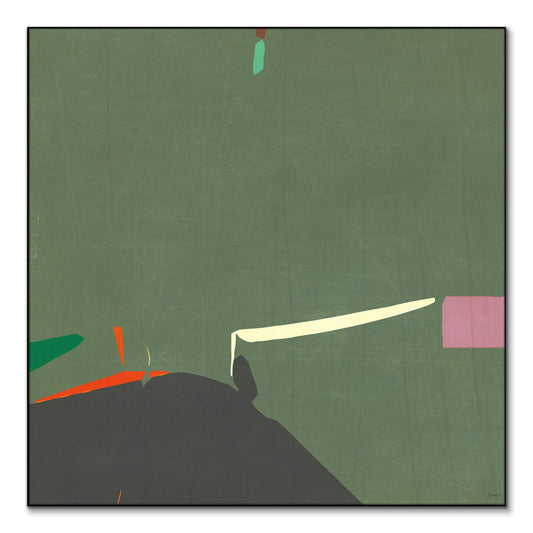
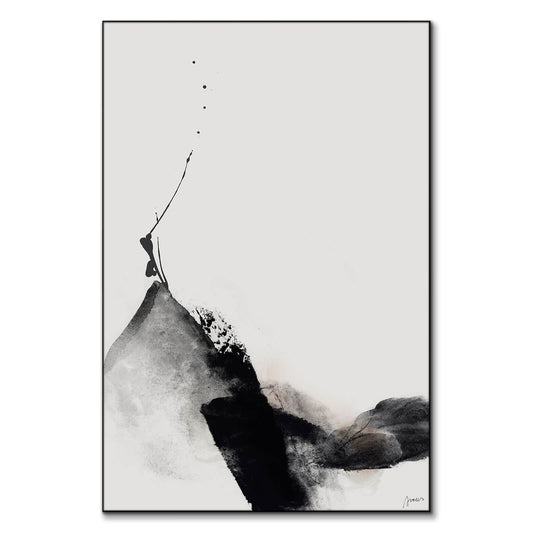
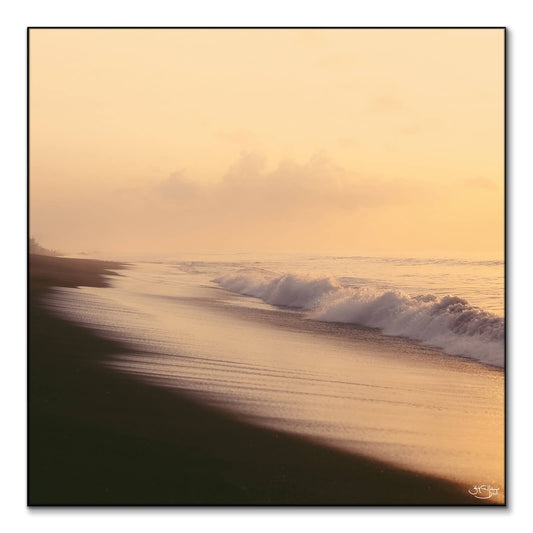
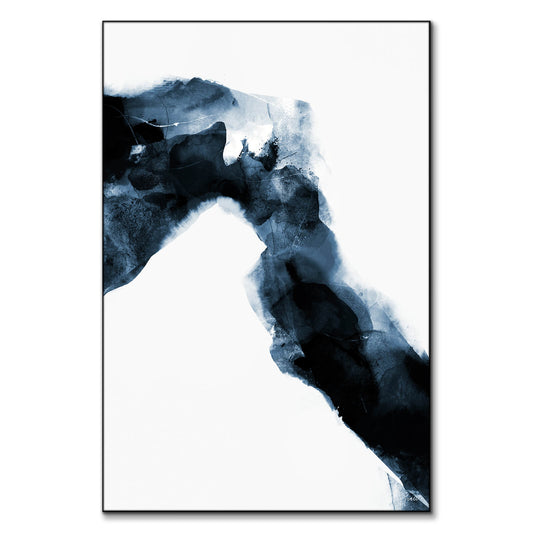
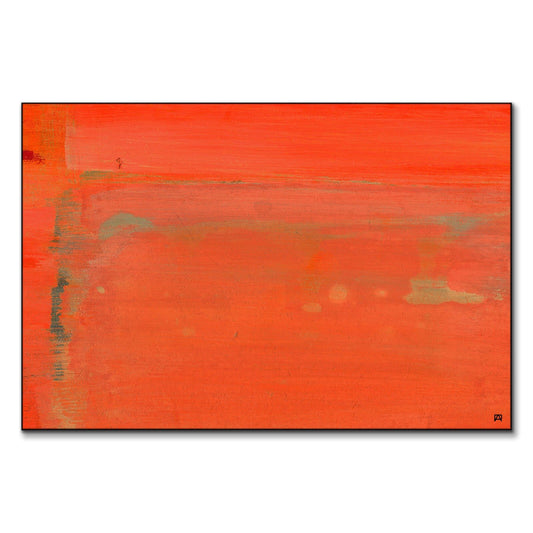
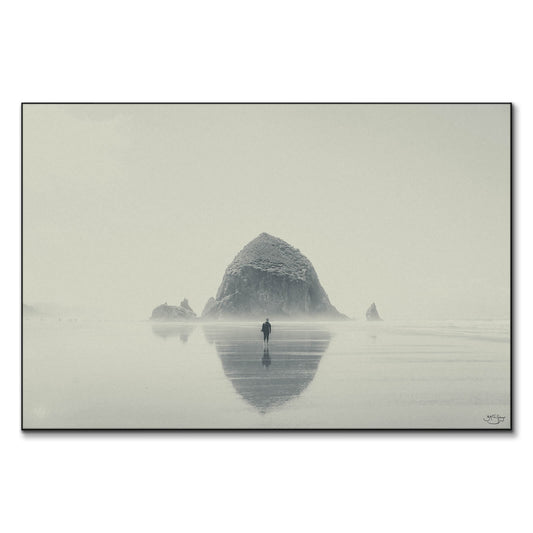
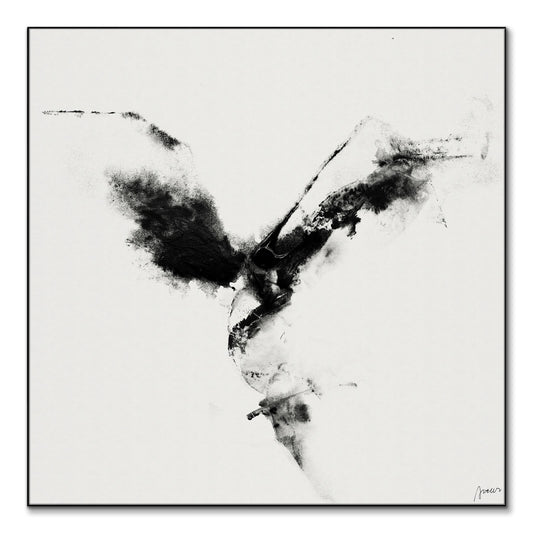
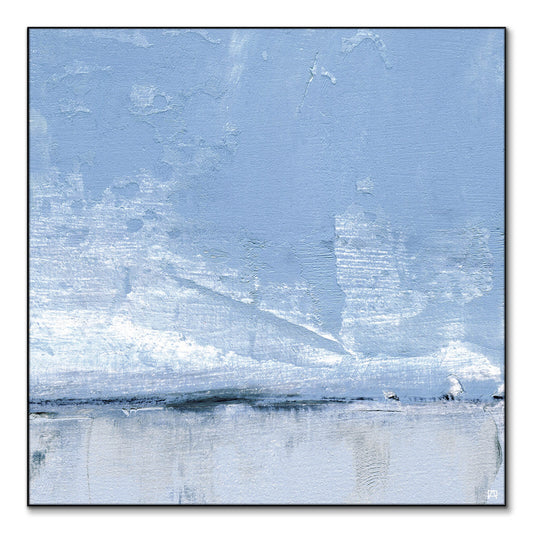
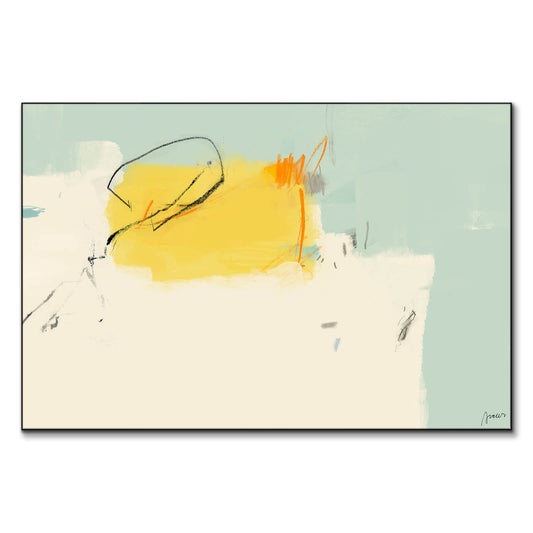
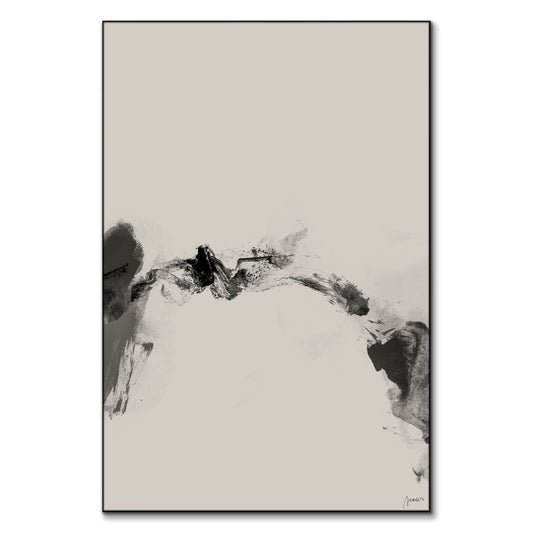
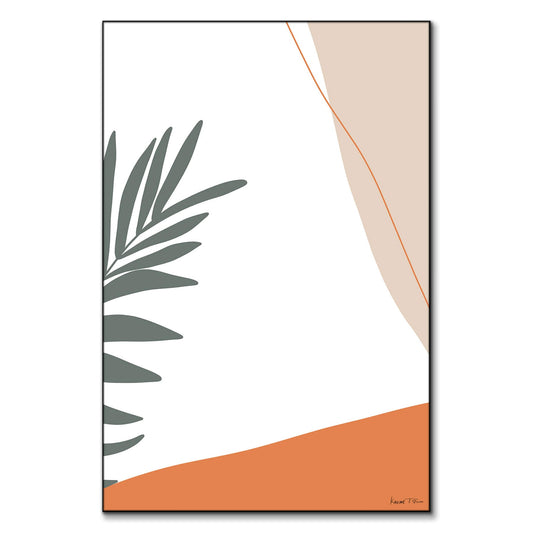
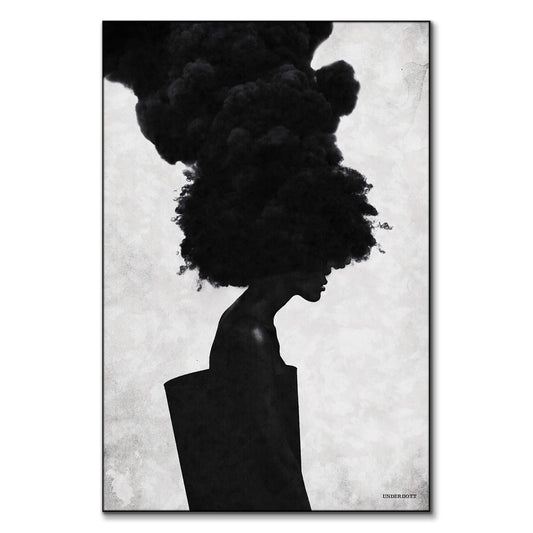
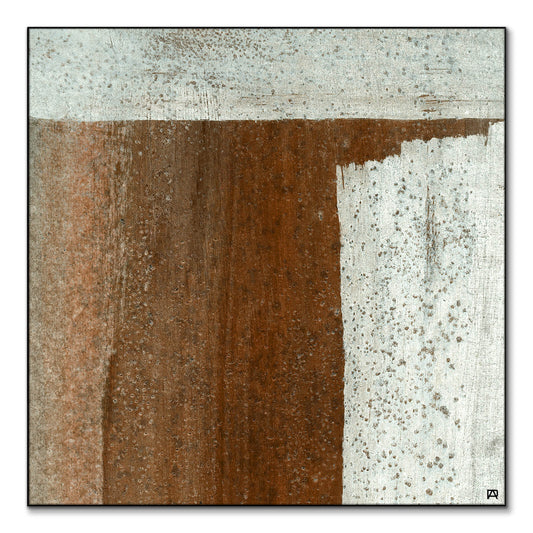
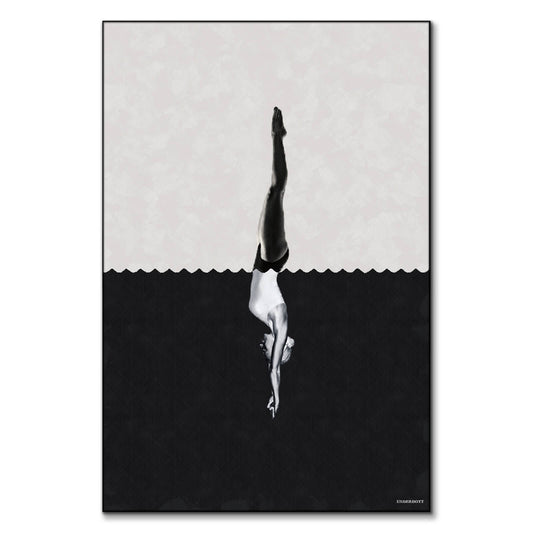
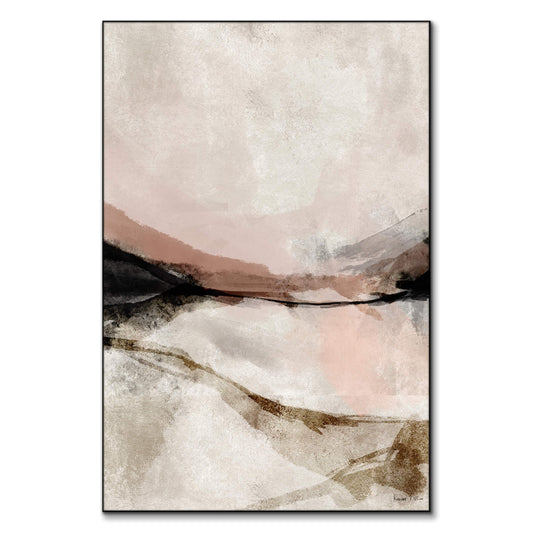
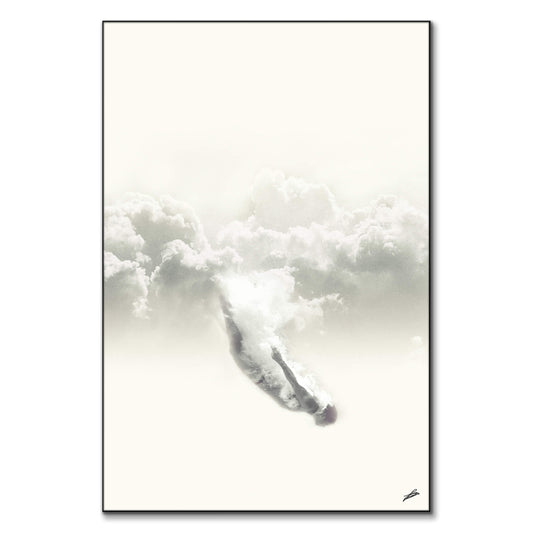
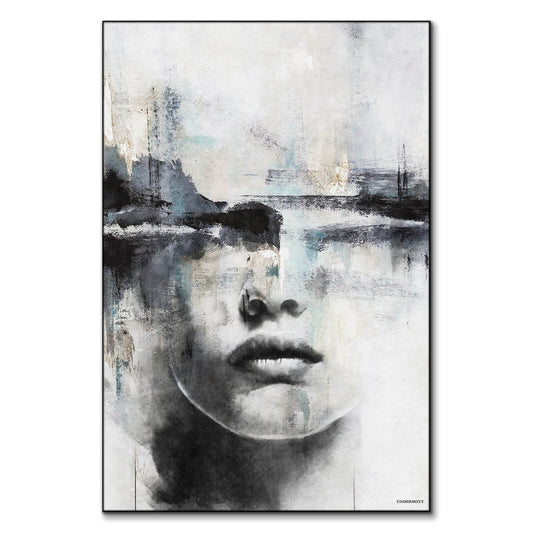
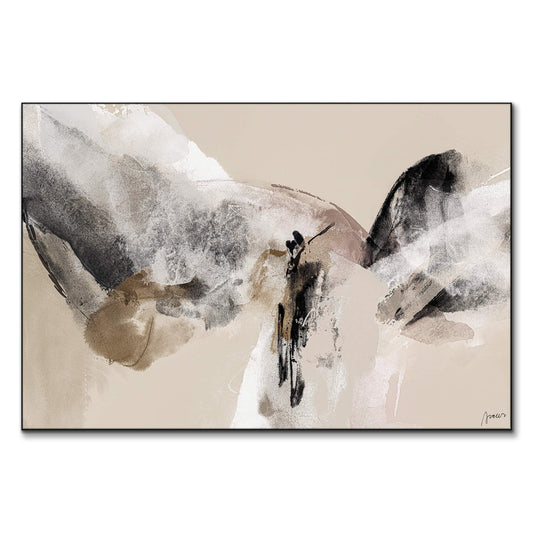
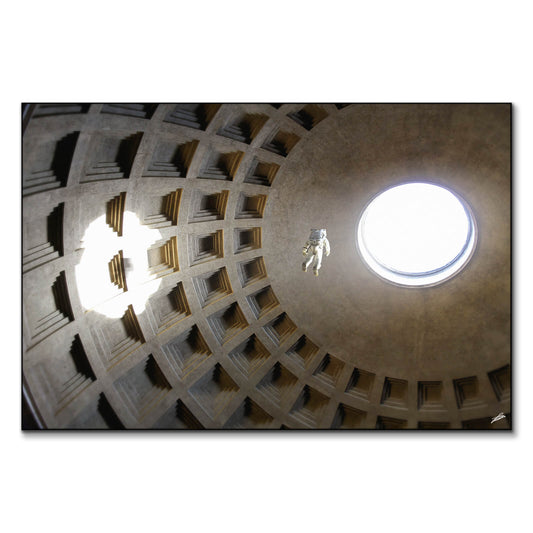
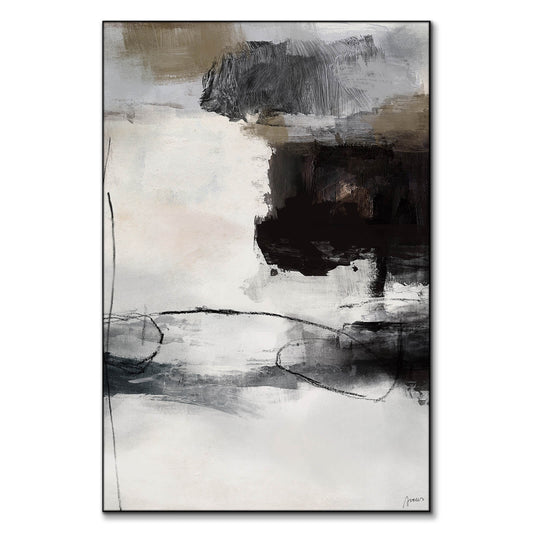
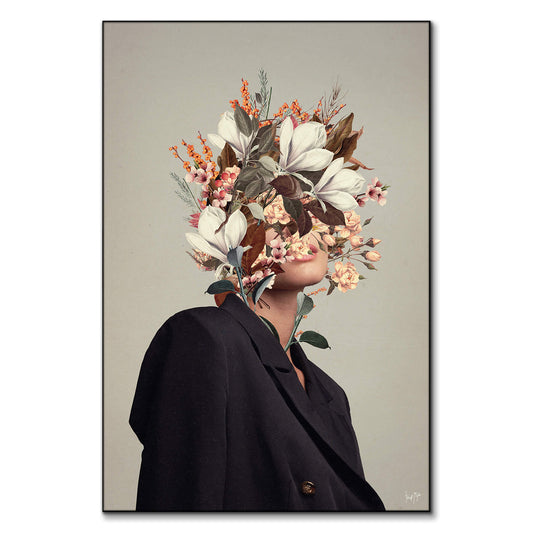
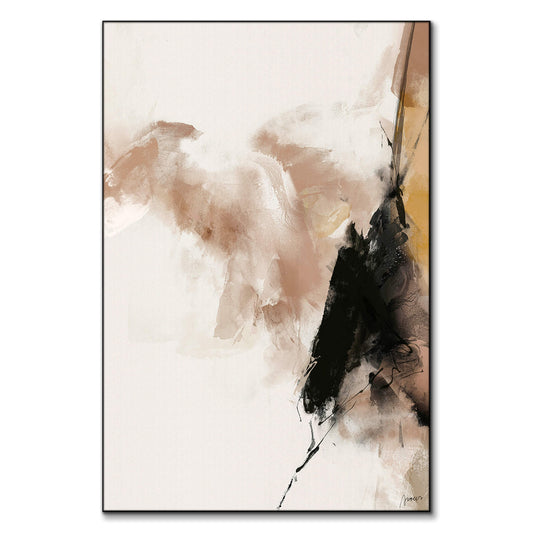
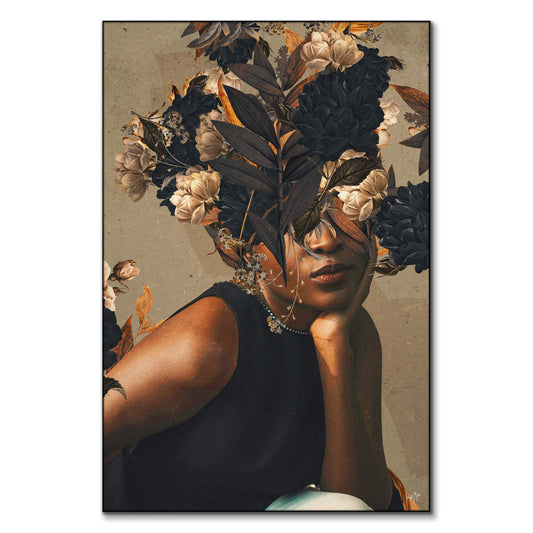
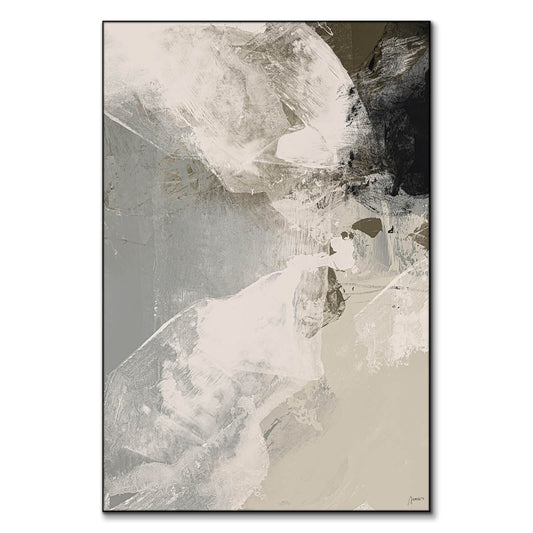
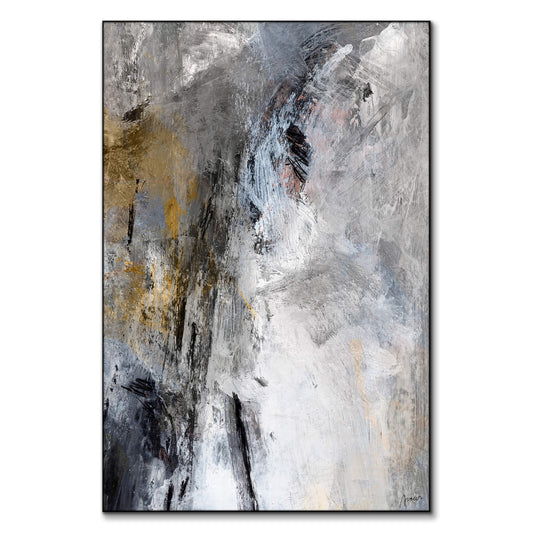
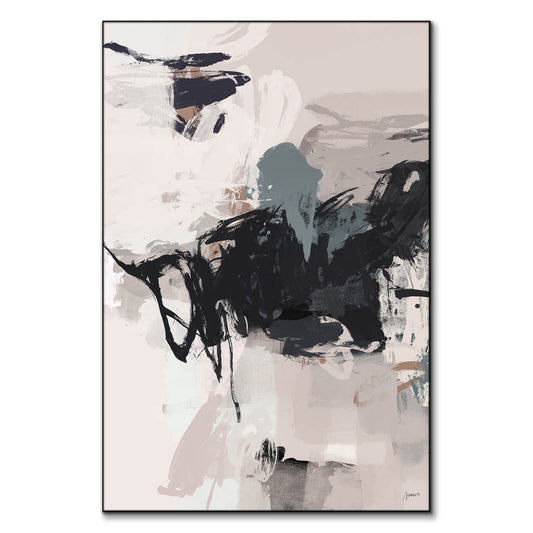
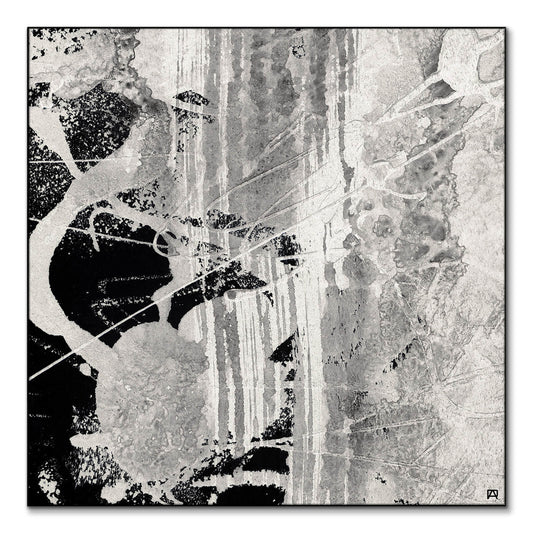
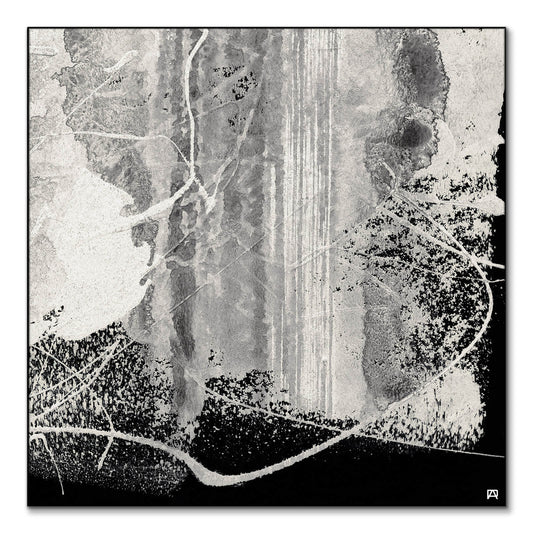
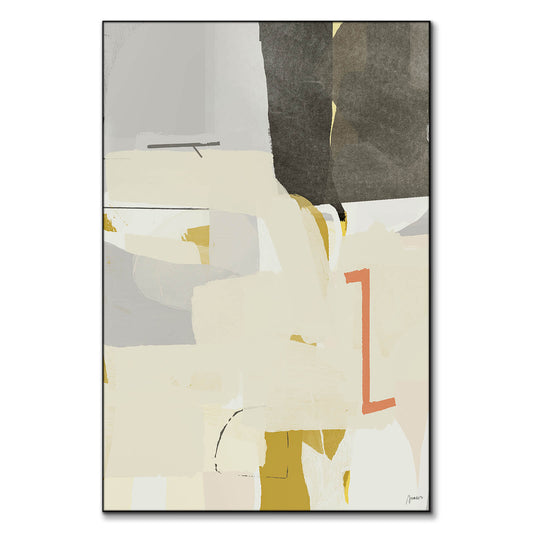
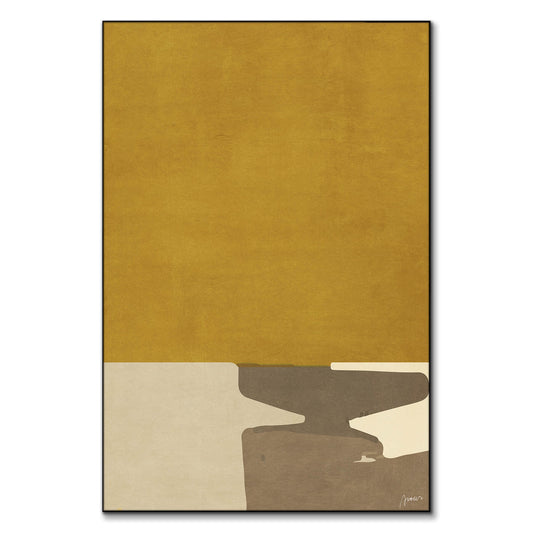
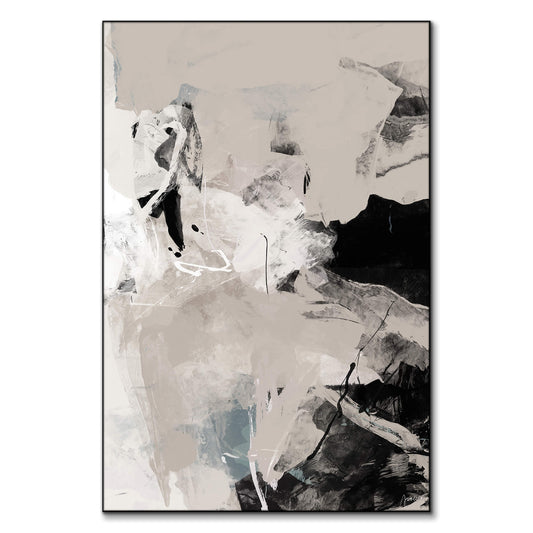
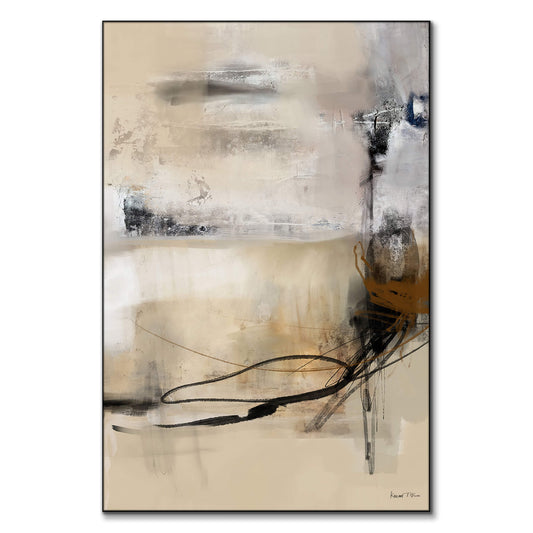
One trick that keeps coming up in designer spaces is oversized Japandi wall art. It grounds the room, keeps the palette tight, and adds a quiet focal point without disrupting the flow. It’s an easy way to make the space feel finished, even when everything else is subtle. Japandi wall art ties together soft tones, sculptural ceramics, and warm wood for a look that feels clean but cozy.
Key Furniture Features in Japandi Design
Japandi furniture is all about simplicity and function. Low-slung pieces with clean lines and natural materials dominate this look. Sofas and chairs often come in ivory, beige, or taupe linen, paired with solid wood frames in oak or walnut. Platform beds and minimalist storage solutions add to the calm feel, often with slatted wood or smooth matte finishes.
When it comes to texture, mix in pieces made with raw-edge wood, smooth leather, and soft woven upholstery. Touches of rattan, cane, and rice paper can also bring subtle warmth and texture without feeling too busy.
A key to pulling it off? Don’t overcrowd the room. Leave negative space around furniture so each piece can breathe. You want the room to feel open, not empty. Peaceful, not sparse.
You can explore thoughtfully designed Japandi furniture at Scandinavian Designs that blend form and function beautifully.
Lighting, Plants, and Finishing Touches
You don’t need much to complete a Japandi space – but the right details matter. Stick with simple, low-profile lighting like paper lantern pendants, ceramic lamps, or soft diffused sconces. Add greenery with sculptural indoor plants like olive trees, snake plants, or a rubber tree in a clay pot. These elements bring life to the room without adding visual noise.
Handmade ceramics, stone trays, and natural fiber baskets help finish the space. The goal is to keep everything intentional, useful, and easy on the eyes.
Best Japandi Wall Art Ideas for a Calm, Minimal Home
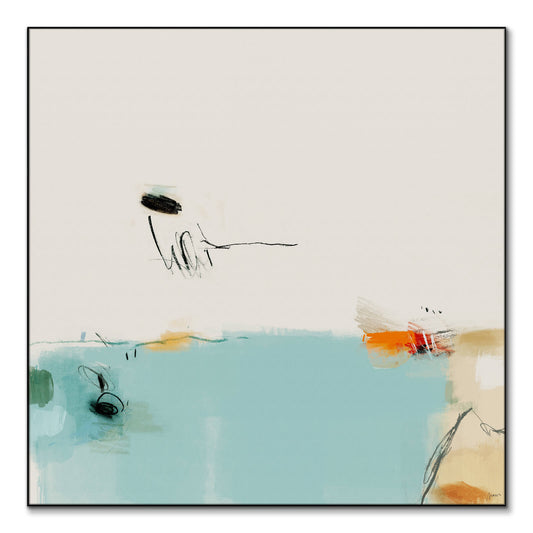
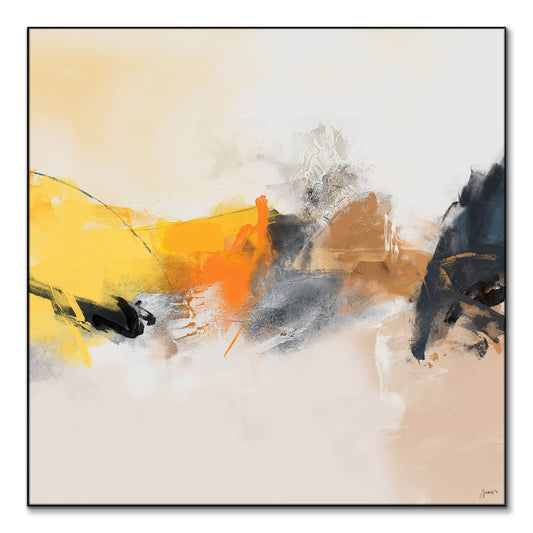
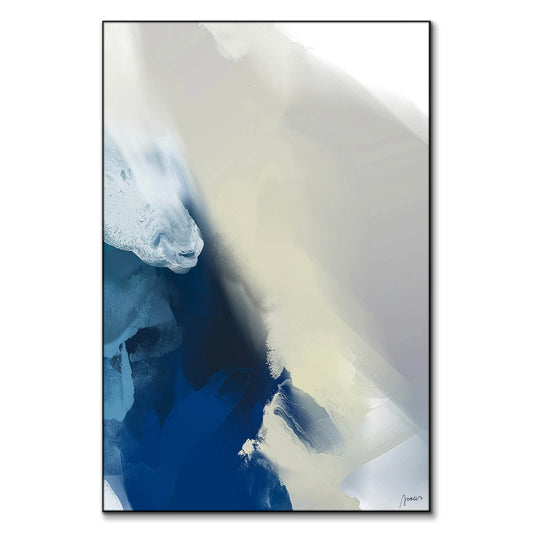
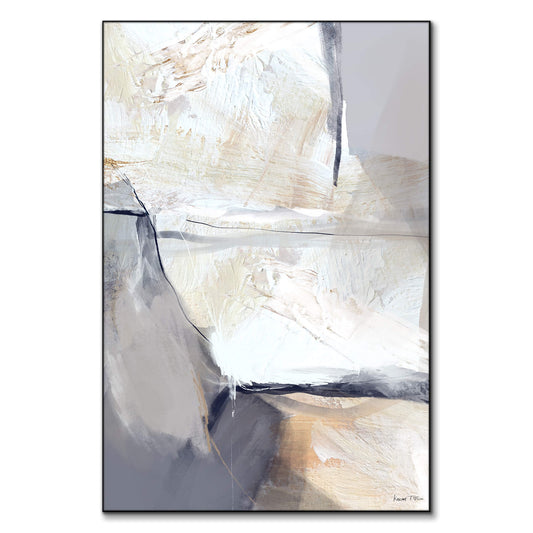
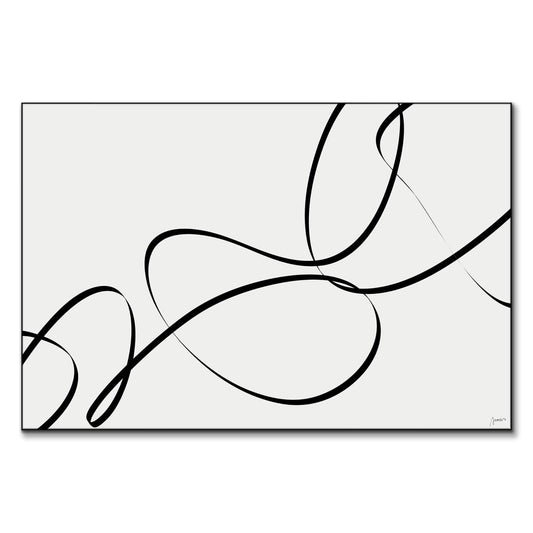
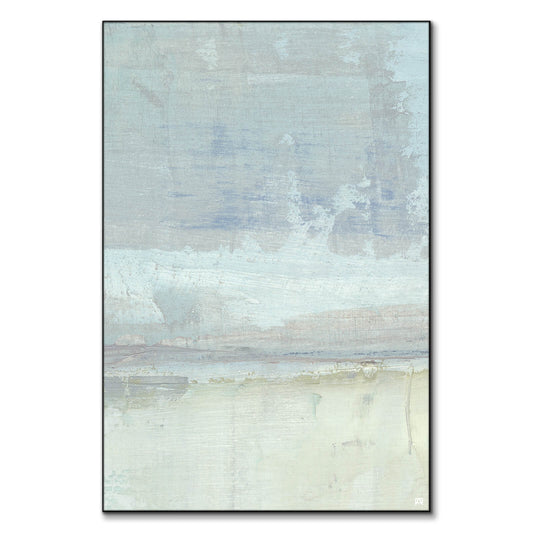
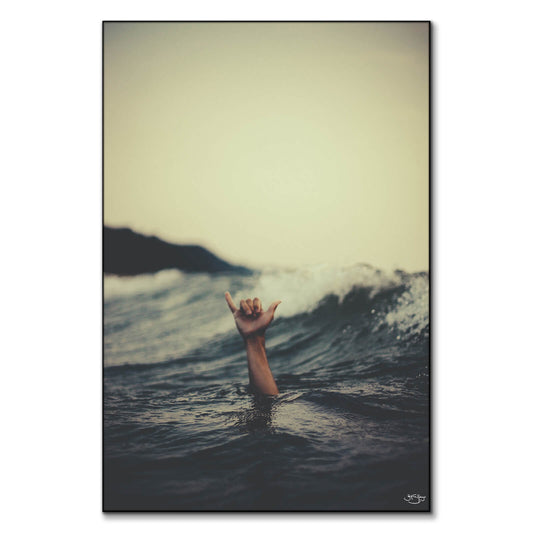
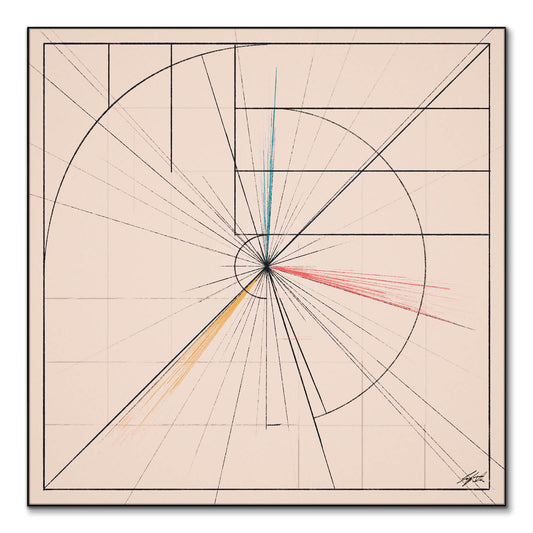
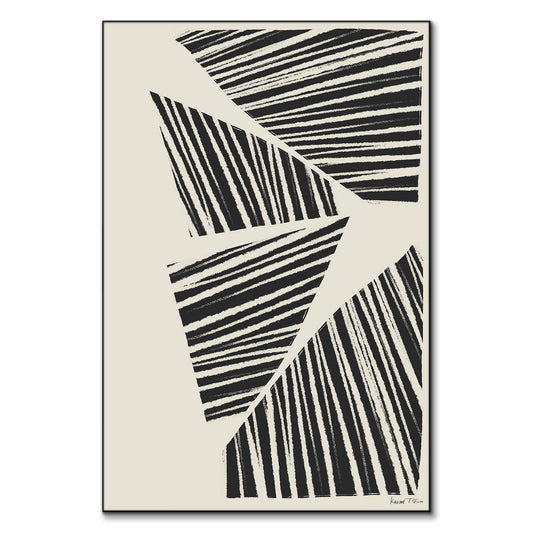
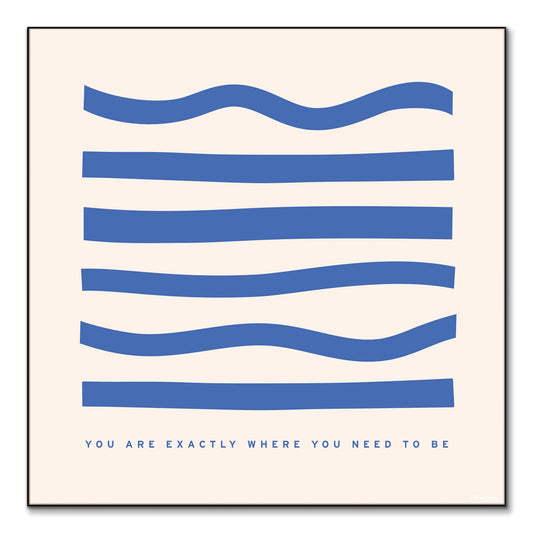
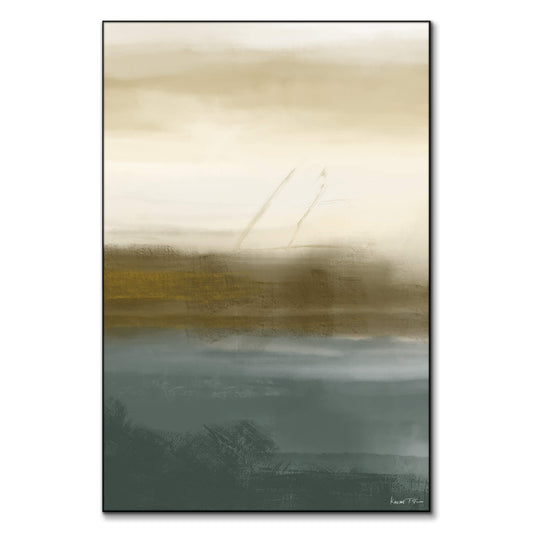
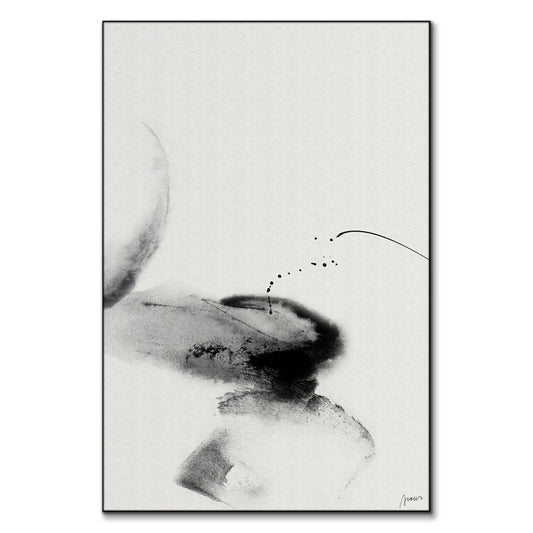
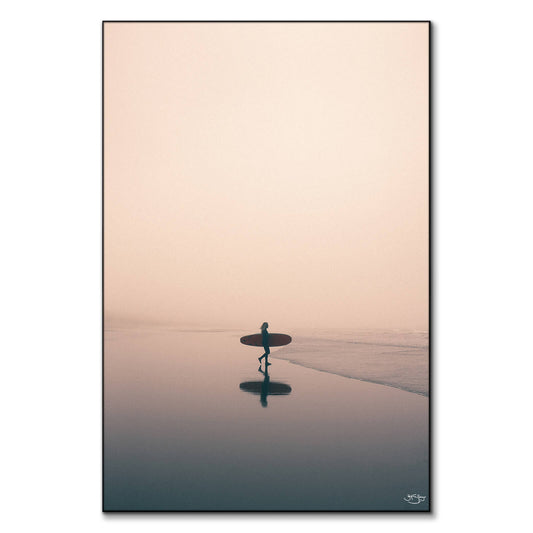
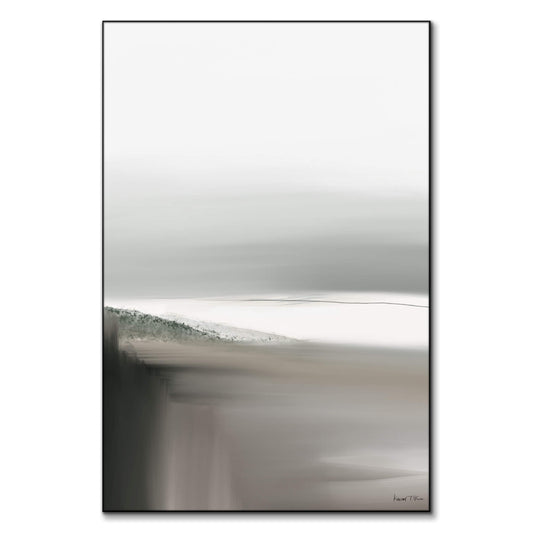
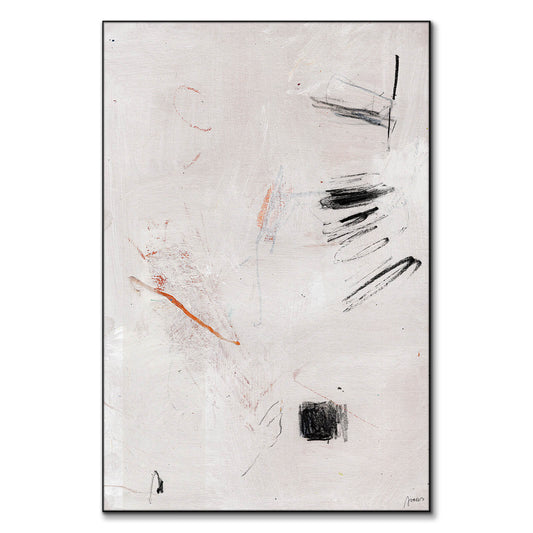
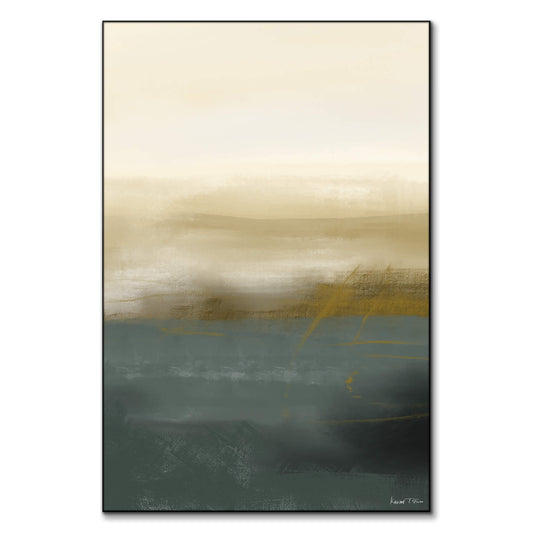
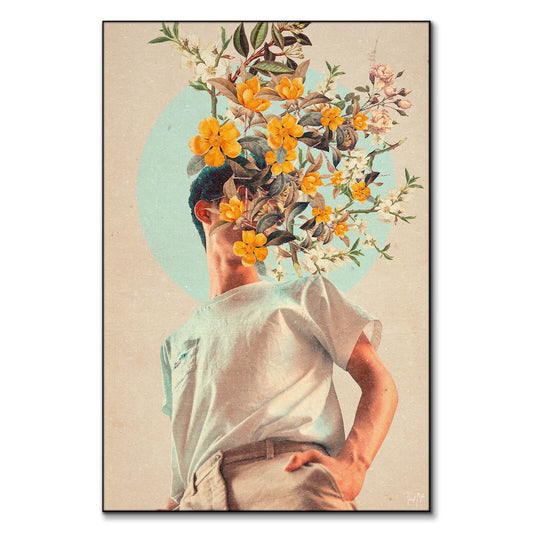
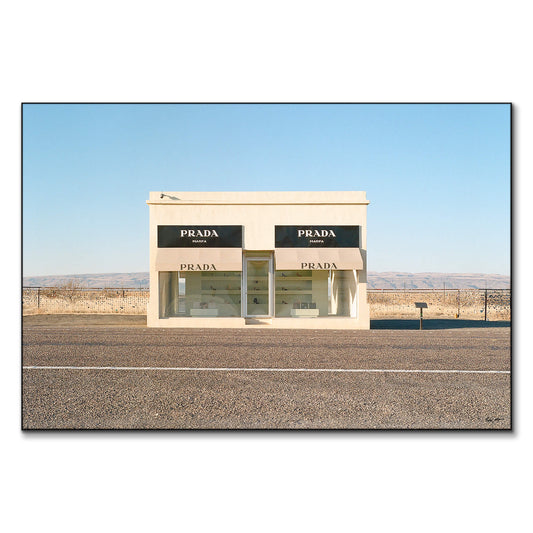
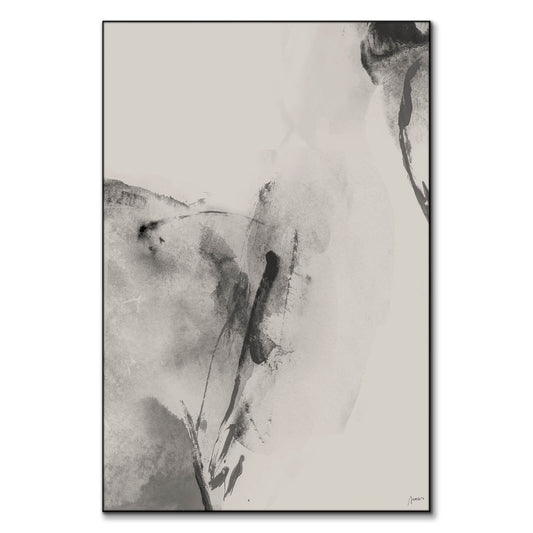
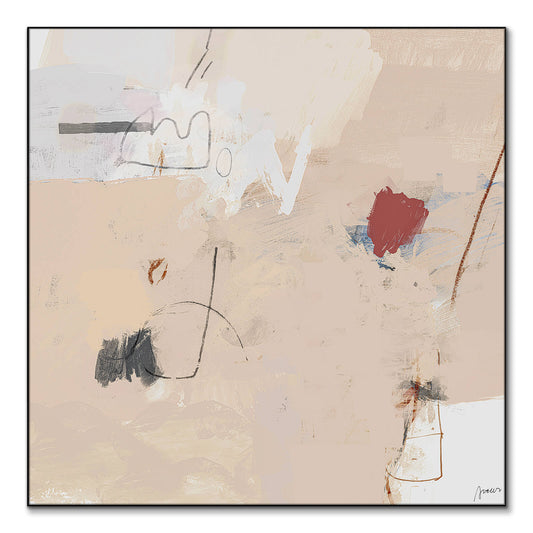
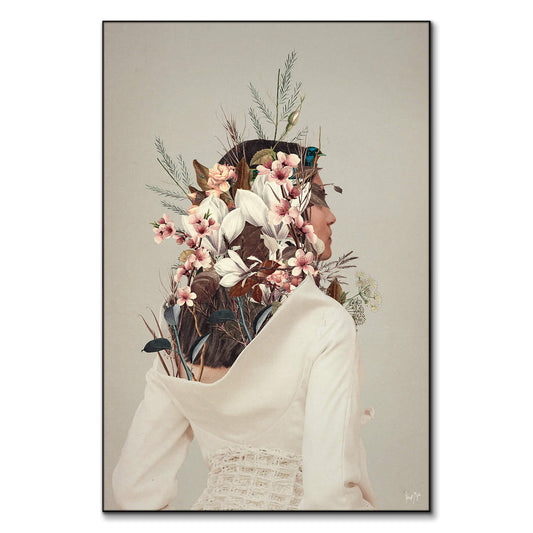
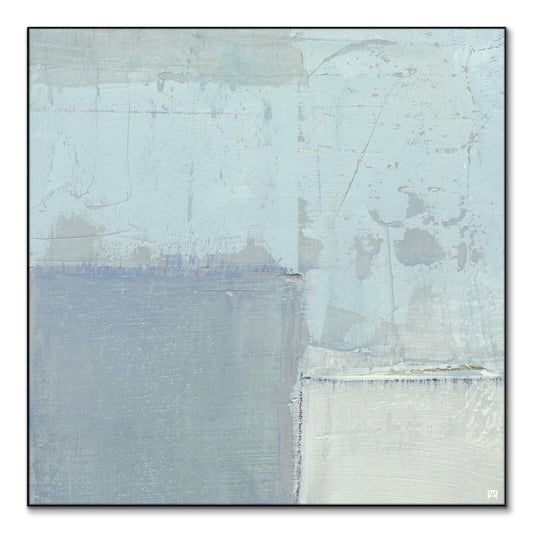
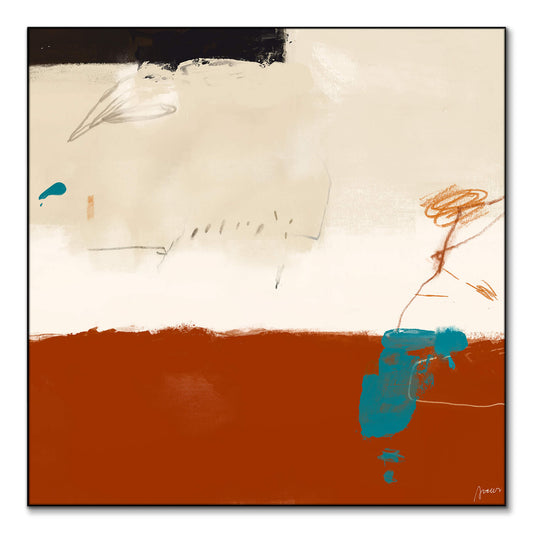
Wall art in Japandi interiors leans minimalist, abstract, and often oversized. Instead of color-heavy pieces, look for art that uses neutral tones, soft shapes, and subtle contrast. A muted landscape, monochrome abstract, or delicate line drawing fits right in.
Themes that work well include nature, balance, quiet movement, and simplicity. Think of it as artwork that whispers, not shouts. Japandi wall art isn’t meant to take over a room. It’s meant to complete it.
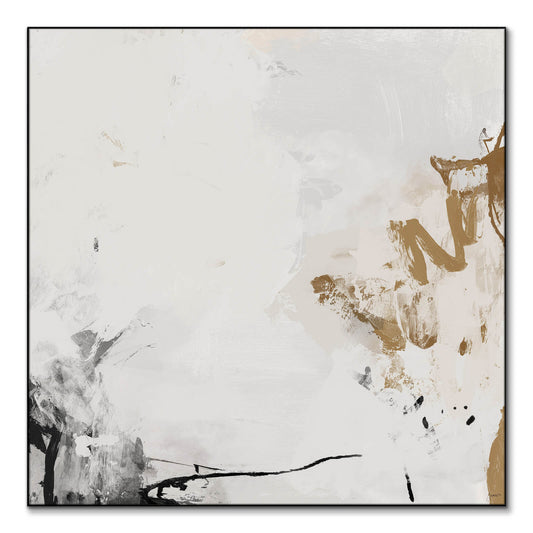
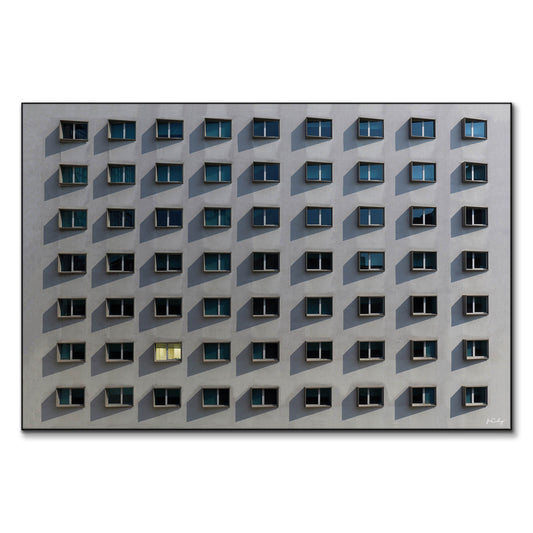
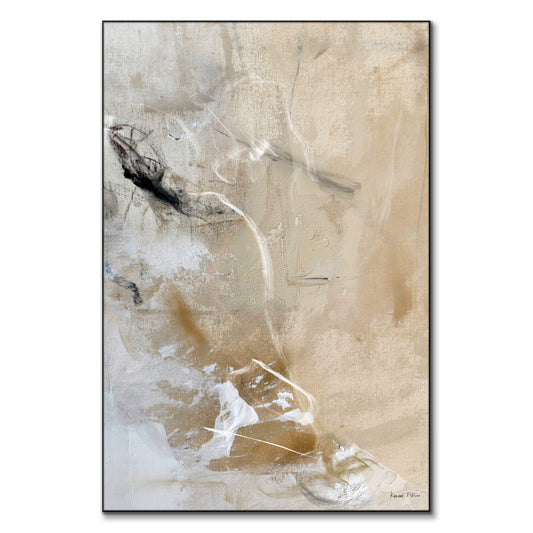
Neutral wall art is a staple here. Prints in beige, soft black, ivory, or pale sage keep the mood grounded. Oversized canvases or framed pieces help add weight to the space without cluttering it.
Looking for other emerging trends? Explore how Dopamine Decor and Whimsigoth Style are also defining homes in 2025. Japandi wall art adds just enough detail without overwhelming the calm, especially paired with soft lighting and natural textures.
How to Spot Japandi in a Room
Japandi interiors often feature natural materials like wood, linen, clay, and stone. The colors lean warm and earthy - beige, ivory, sage, charcoal - with clean-lined furniture that’s low and simple. Instead of filling every wall, Japandi uses negative space intentionally. And textures do a lot of the heavy lifting: boucle, jute, matte ceramics, and wool help keep it cozy.
Wall art is where a lot of people get it wrong. The Japandi trick is to go big but stay soft. Oversized abstract prints, muted landscapes, or black-and-white line work create visual impact without breaking the calm.
How to Try This Look at Home
If you're easing into Japandi, start by simplifying your space. Keep the furniture low, the palette neutral, and try one oversized piece of abstract wall art to bring it all together. Add natural textures like wood, linen, or soft stone, and give everything room to breathe. Even small changes can make your home feel calmer and more intentional.
A Real-Life Japandi Styling Example
Picture a living room with a warm oak coffee table, a low-profile ivory sofa, and a few black ceramic vessels grouped on an open shelf. The walls are soft beige. A muted abstract print, oversized and perfectly balanced, hangs above the couch. On the floor, a textured wool rug in a light greige. It feels intentional, but not staged. Lived in, but not messy.
Common Japandi Style Questions
Q: Is Japandi just minimalism?
A: Not exactly. It draws from minimalism but adds comfort and natural warmth. It's about less, but it's not cold or sterile.
Q: What’s the difference between Scandinavian and Japandi style?
A: Japandi mixes Japanese elegance and simplicity with the coziness and functionality of Scandinavian interiors. Scandinavian style alone is a bit lighter and more relaxed.
Q: Can Japandi work in small spaces?
A: Yes. In fact, Japandi’s clean lines and focus on function make it perfect for apartments and small homes.
Q: What kind of wall art works best in Japandi interiors?
A: Minimalist abstract pieces, nature-inspired prints, and line drawings in soft, neutral tones. Bigger pieces help define the room while keeping things simple.
Why Japandi Still Matters
Trends come and go, but Japandi endures because it doesn’t try too hard. It’s peaceful without being plain, and thoughtful without being overdone. In a time where more people want their homes to be a break from the chaos, this style keeps delivering.
Whether you're decorating a small city apartment or a larger home, Japandi makes space for what matters and gets rid of the rest.