Wallpaper in 2026 Is About Feeling, Not Just Pattern
Wallpaper trends for 2026 have arrived. Wallpaper no longer plays a supporting role in interior design. It now shapes how a room feels, moves, and settles. Designers treat walls as active surfaces rather than visual leftovers. That shift defines wallpaper trends for 2026, which prioritize atmosphere over decoration.
Instead of chasing bold novelty, designers focus on how wallpaper works with light, furniture, and scale. Walls now anchor a room emotionally.
Texture Has Become the Primary Design Tool
Texture leads the current wallpaper conversation. Flat prints feel less compelling in spaces that value comfort and depth. Designers now choose surfaces that suggest touch, even from across a room.
Grasscloth, woven fibers, and plaster-like finishes continue to gain traction. These wallpapers add visual weight without dominating a space. They work well in rooms built around natural materials and soft palettes.
Texture also solves a common design problem. Many rooms feel unfinished even after furniture arrives. A textured wall gives the space structure and intention without adding objects.

Pattern Feels Quieter but More Considered
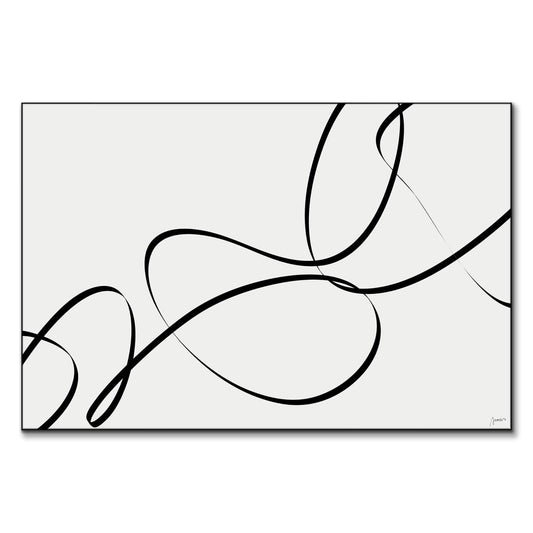
Pattern has not disappeared, but it now behaves differently. Designers favor restraint over spectacle. Motifs reveal themselves slowly and reward time spent in a space.
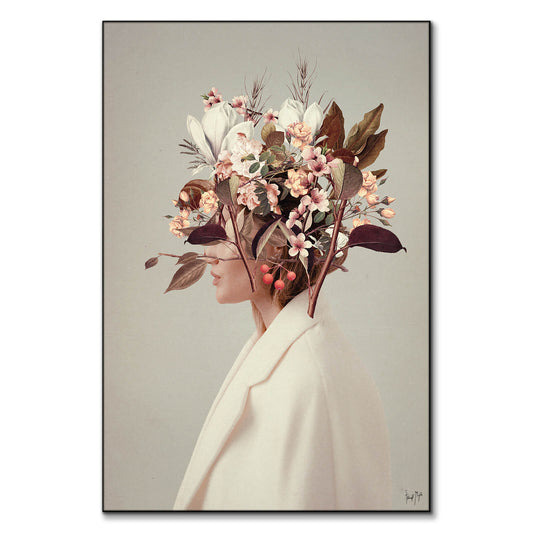
Florals appear looser and more abstract. Botanical references feel layered rather than literal. Historical influences show up through rhythm and scale, not replication. This approach gives rooms character without visual noise.
These choices align with wallpaper trends for 2026, which favor depth over instant impact. Wallpaper now supports a room instead of competing with it.
Color Moves Toward Warmth and Cohesion
High-contrast wallpaper once defined statement walls. Today, designers lean into warmth and continuity. Color palettes feel earthy, muted, and grounded.
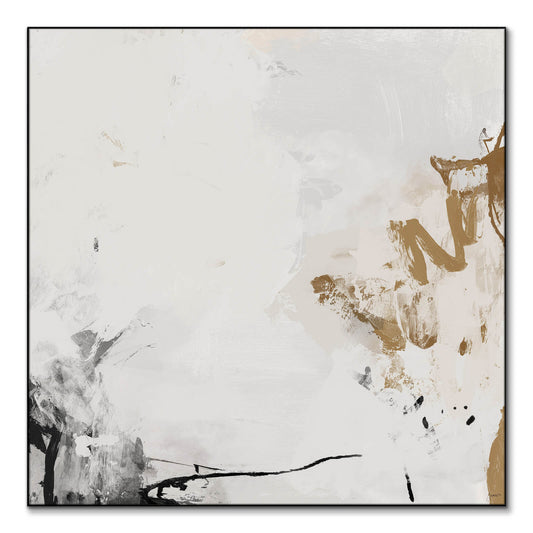
Clay tones, soft browns, warm creams, and faded greens dominate new collections. These hues work well with wood, stone, and natural light. They also age more gracefully than saturated colors.
Subtle shifts within a pattern add movement without distraction. Walls feel calm but never flat. This balance allows wallpaper to support daily life across work, rest, and gathering.

Wallpaper Now Shapes the Emotional Core of a Room
Homes serve more roles than ever. Wallpaper helps them do that work. It shapes mood without clutter and adds depth without permanence.
Bedrooms benefit from softer patterns that calm the nervous system. Dining rooms gain intimacy through layered surfaces. Entryways set tone before furniture ever appears.
Designers increasingly treat walls as immersive elements. This mindset defines wallpaper trends for 2026, where experience matters more than novelty. Wallpaper no longer asks for attention. It earns it.