Why Doctor’s Offices Have Terrible Vibes — And How Better Wall Art Can Fix It
The Real Reason Doctor’s Offices Give Off Bad Vibes
Everyone knows doctor's offices have terrible vibes. Most people walk into a doctor’s office or dental clinic already carrying a little tension. The waiting room should ease that feeling, but more often it does the opposite. Harsh lighting, off-white walls, outdated seating, and tiny generic prints create an atmosphere that feels cold and impersonal. Instead of feeling reassured, patients sit there counting the minutes until their name is called.
Medical waiting rooms were never designed with intention. They were designed for durability and efficiency. But people do not react emotionally to durability. They react to warmth, color, light, and environments that feel human. And you do not need a full renovation to create that feeling. A single oversized artwork can shift the energy of the room and help patients feel more grounded the second they walk in.
Why Waiting Rooms Feel So Uncomfortable
Part of what makes medical waiting rooms so unsettling is the way the environment interacts with stress. Patients are already anticipating discomfort or bad news. When they walk into a space that feels empty or outdated, the nervous system stays on alert. The mind scans the room for something reassuring, but sterile decor and mismatched small prints create more mental noise instead of less.
When the environment provides no emotional support, the body interprets the space as unsafe. People sit with tightened shoulders, shallow breathing, and a heightened awareness of every sound around them. A room that feels cold and forgotten amplifies worry instead of calming it. This is why doctor's offices have terrible vibes.

How Oversized Art Creates Calm
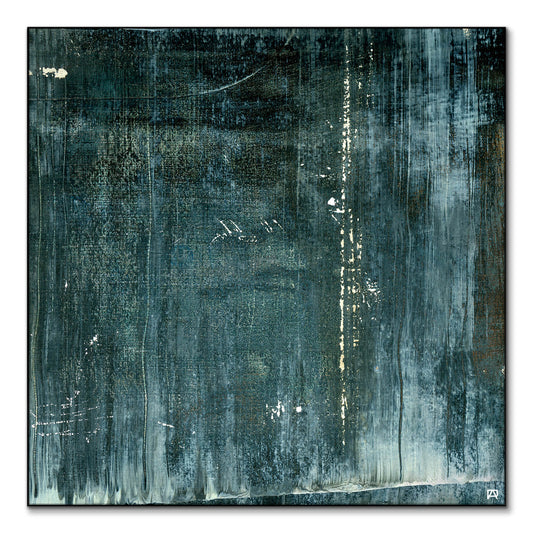
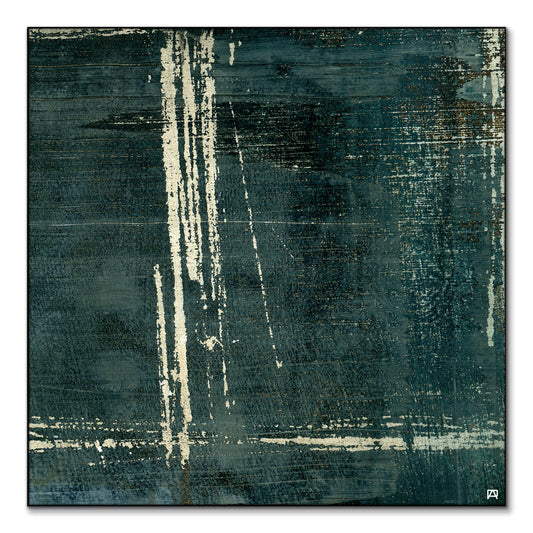
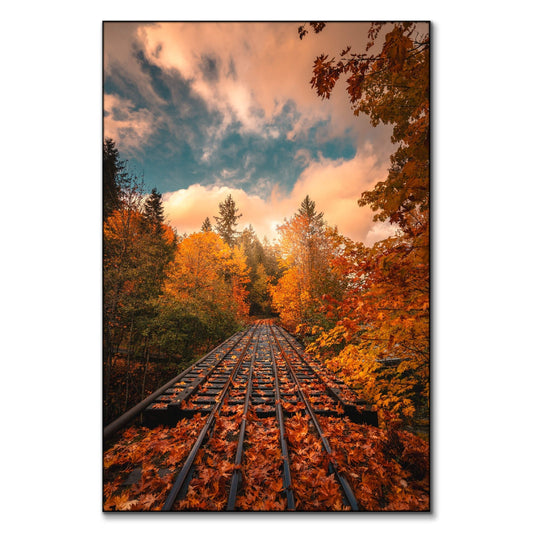
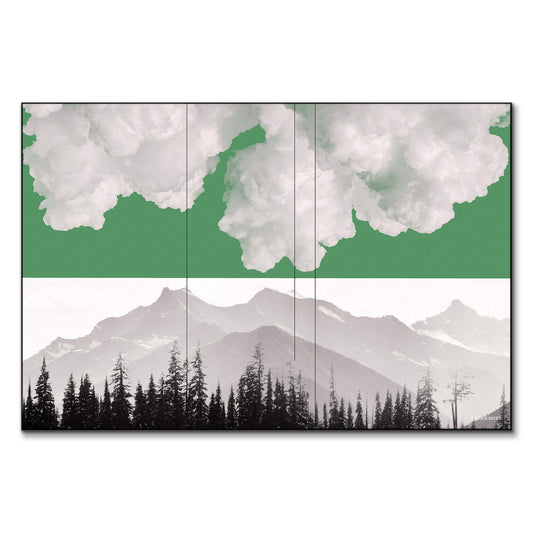
Oversized artwork changes this dynamic instantly. A large, grounding focal point helps the mind settle because the eye is not constantly searching for something to land on. One strong visual anchor reduces overstimulation and gives the space a sense of order and clarity.
Large scale art also makes a room feel more open and intentional. Even in small offices, one well-placed piece can make the environment feel bigger and more inviting. When the imagery is calming or abstract, patients naturally relax without even realizing why. Their breathing slows. Their posture softens. The room feels safe.
The Power of a Designed Experience
Patients form opinions long before they meet the provider. The moment they enter the waiting room, they pick up cues about whether the space feels cared for. A thoughtfully designed environment communicates competence, empathy, and professionalism. It shows that the people running the practice take pride in every detail, not just the medical work.
A well-designed waiting area also affects staff. Employees working in a calm, intentional space feel more comfortable and present, which impacts the energy of the entire office. The atmosphere supports everyone, not just the patients.

What Patients See Shapes How They Feel
Small, generic prints are common in medical offices, but they are not neutral. They often trigger subtle emotional responses that increase discomfort rather than reduce it. When art feels mass-produced or randomly chosen, the brain reads the environment as temporary, overlooked, or outdated. That perception increases anxiety because people associate visual neglect with a lack of care.
From a psychological standpoint, humans feel safer in environments that appear thoughtfully arranged. The mind is constantly taking in visual cues and deciding whether to relax or stay alert. Small scattered artwork creates visual clutter that keeps the brain active. Oversized artwork creates a sense of structure and stability that helps people regulate their emotions. A calm wall creates a calm body.
A Better Waiting Room Helps Everyone
A waiting room sets the mood for everything that follows. When it feels outdated or cold, patients feel it immediately. But when it feels modern, calm, and thoughtfully put together, the entire visit becomes easier. Oversized art creates that shift. It grounds the room, softens stress, and gives patients a sense of clarity and comfort in a space where they often feel anything but.
A better environment changes how people feel long before the appointment even begins.